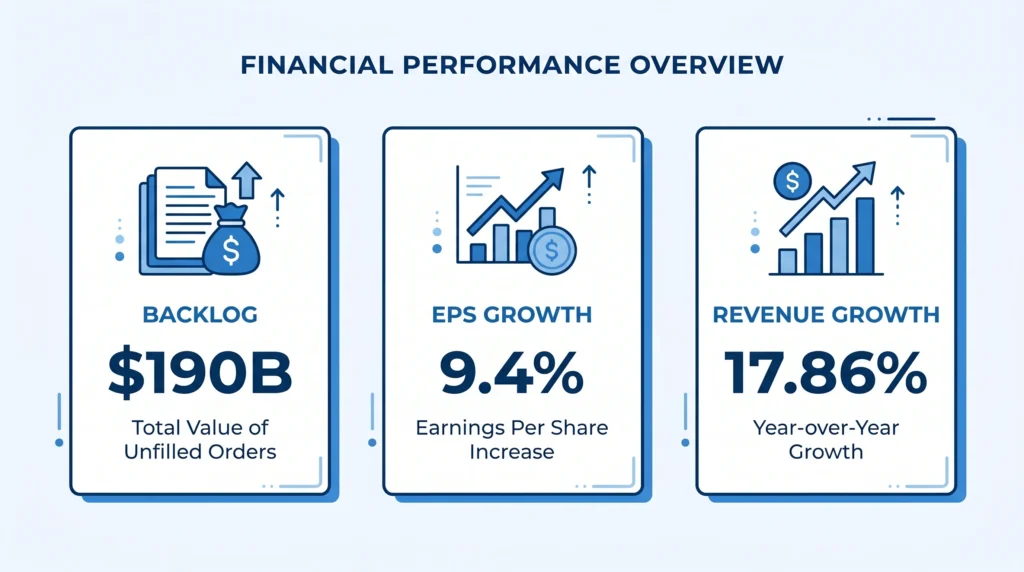
GE Aerospace Q1 2026 earnings are front and center on Wall Street today, April 21, 2026, as the aerospace and defense sector delivers one of its most anticipated reports of the year. With analysts projecting 9.4% year-over-year EPS growth and a revenue increase of 17.86%, GE Aerospace Q1 2026 earnings arrive against a backdrop of a record $190 billion order backlog, surging aftermarket demand, and a global commercial aviation fleet that is aging faster than new aircraft can replace it.
GE Aerospace Q1 2026 earnings: what analysts expect?
Diving into today’s report, the consensus on Wall Street is firmly optimistic. Analysts expect GE Aerospace Q1 2026 earnings per share to reflect a 9.4% jump compared to the same quarter last year, while total revenue is forecast to climb 17.86% year-over-year. The growth story here is not a short-term blip it is the natural outcome of a multi-year capital cycle in commercial aviation, military modernization, and the explosive expansion of global air travel.
The company’s stock (NYSE: GEV) has been watched closely by institutional investors this quarter as GE Aerospace deepens its position in both commercial and defense engine markets. Management’s prior guidance pointed to strong services revenue, and today’s numbers are expected to confirm that trajectory. If the company beats estimates as it has in recent quarters it could serve as a positive catalyst for the broader aerospace and defense sector.
The $190B backlog: why it matters?
Perhaps the single most important data point surrounding GE Aerospace earnings is the $190 billion order backlog. A backlog of this scale represents secured future revenue that insulates the company from short-term economic volatility. In practical terms, it means GE Aerospace has more contractual demand than it can currently fulfill, a powerful sign of structural strength, not cyclical luck.
The backlog spans commercial jet engines, military platforms, and a growing services and maintenance book. This diversification matters enormously: even if commercial aviation experiences a temporary slowdown, the defense and aftermarket segments provide a revenue floor that most industrial companies cannot match.
Aftermarket demand is the new frontline of profitability!
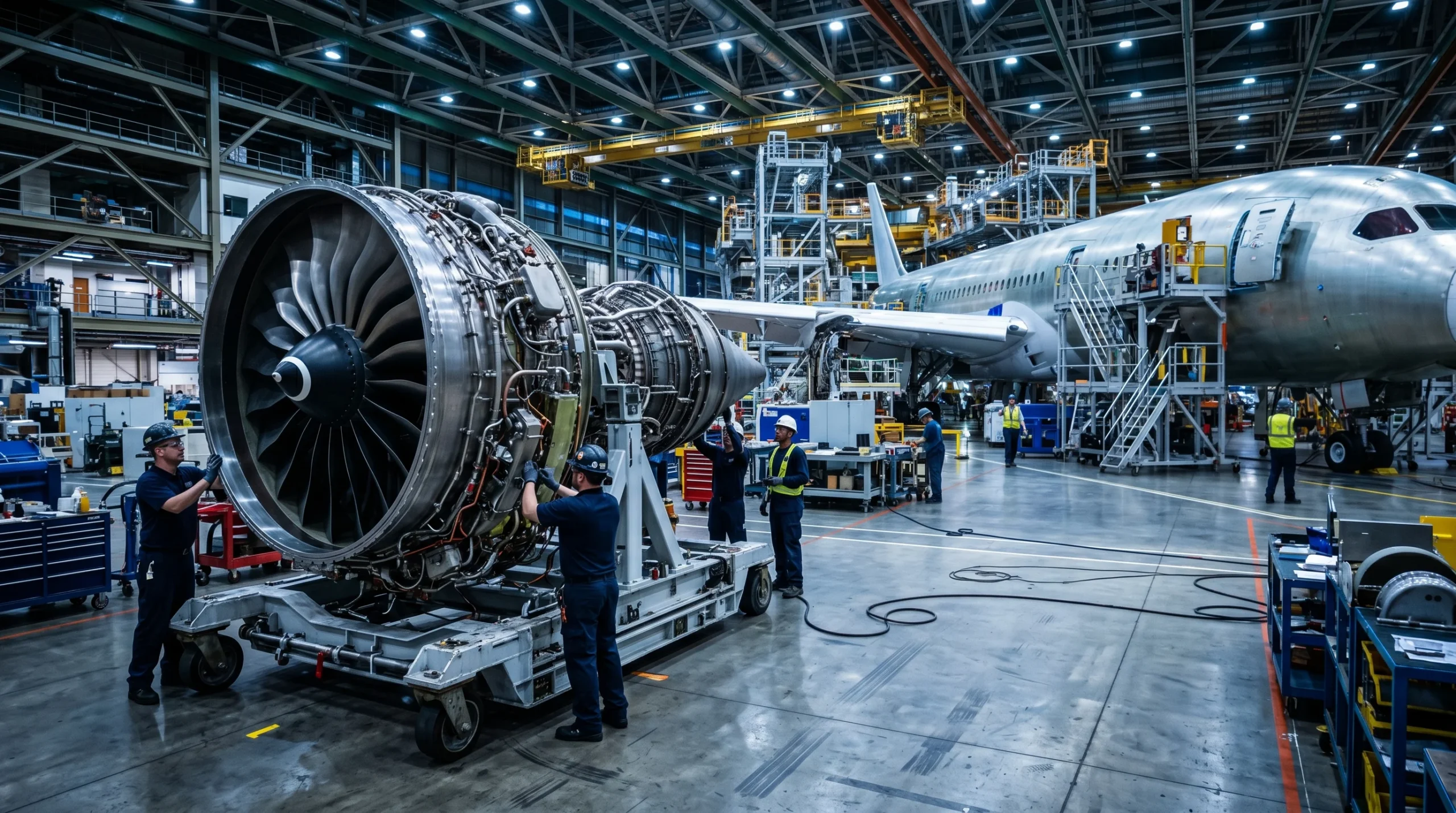
One of the most compelling themes in the aerospace defense earnings outlook for 2026 is the rise of the aftermarket as the primary profit engine. The global commercial aviation fleet is now averaging over 15 years in service age, the oldest in recorded history. Supply chain bottlenecks, delayed new aircraft deliveries from major OEMs, and post-pandemic demand surges have left airlines flying aging jets longer than ever before.
Humanoid Robot Half Marathon: Chinese Robot Smashes Record in 50 Minutes
For GE Aerospace, this is a strategic windfall. The company’s aftermarket business covering spare parts, engine overhauls, maintenance contracts, and performance upgrades is growing at a pace that outstrips new-equipment sales. GE has already signed a dedicated F404 engine maintenance depot contract with the Indian Air Force, while finalized technical talks for the F414 program with HAL point to a broader multi-year international services opportunity.
In addition, GE Aerospace is scaling AI-driven engine monitoring technology that reduces false diagnostic alarms by over 50%, directly lowering service costs and increasing “on-wing time” for airlines. This kind of technological advantage reinforces margin durability going into future quarters.
Lockheed Martin earnings and the defense sector pulse
GE Aerospace is not alone in the spotlight today. Lockheed Martin earnings are also a major focus this week, with analysts forecasting EPS of approximately $6.28 for the quarter. As the maker of the F-35 Lightning II, a platform that has seen significant operational demand following recent high-profile military campaigns Lockheed Martin’s results will serve as a critical temperature check on defense contract momentum.
The connection between LMT earnings Q1 2026 and the GE Aerospace story is direct: GE powers numerous Lockheed Martin platforms, including variants of the F-35. Strong Lockheed results would signal robust defense procurement spending, reinforcing the demand picture for GE Aerospace’s military engine programs. Together, both companies paint a picture of an aerospace defense earnings outlook that remains structurally sound in spite of broader macroeconomic uncertainty.

Broader aerospace and defense industry outlook for April 2026
Zooming out, the aerospace defense earnings outlook for April 2026 reflects a sector that has successfully navigated post-pandemic turbulence and emerged in a position of considerable strength. Global net profits for commercial aviation are projected to reach a record $41 billion in 2026, even as airlines grapple with aging fleets and uneven delivery schedules from Boeing and Airbus.
On the defense side, allied nations are under growing pressure to increase spending with the United States having set a 5% of GDP defense spending benchmark for NATO and partner nations at the 2026 Hague Summit. This political dynamic translates directly into multi-year procurement contracts for companies like GE Aerospace and Lockheed Martin. Defense stocks earnings preview consensus points to above-market growth for the sector through at least the end of fiscal 2026.
Supply chain normalization, while incomplete, is further ahead than this time last year. Combined with GE Aerospace revenue growth driven by backlog execution, this creates a compelling investment narrative heading into the second half of the year.
What GE Aerospace Q1 2026 earnings mean for investors?
For investors watching today’s report, there are three numbers that matter most: EPS vs. consensus, services revenue growth, and any updated full-year guidance from management. A beat on all three would likely push GEV stock higher and could lift related names across the defense stocks earnings preview landscape.
The GE Aerospace backlog of $190 billion provides a long-duration revenue visibility that makes the stock attractive even at premium valuations. The combination of aerospace aftermarket demand, AI-enabled operational efficiency, and a diversified defense exposure makes GE Aerospace one of the most complete stories in the industrial sector today.
As always, investors should review today’s earnings call for commentary on supply chain conditions, engine delivery cadence, and any guidance revisions before making decisions. Linking out to the GE Aerospace Investor Relations page for the official release and the Lockheed Martin earnings webcast is recommended for the most accurate, real-time data.
FAQ’s
GE Aerospace Q1 2026 earnings are being released on April 21, 2026, before the market opens. The company will also host an investor call following the announcement.
Analysts are projecting approximately 9.4% year-over-year EPS growth for GE Aerospace in Q1 2026, alongside a 17.86% increase in revenue compared to the same quarter last year.
A $190 billion order backlog represents secured future revenue that protects GE Aerospace from short-term market volatility. It indicates the company has more contractual demand than it can currently fulfill, signaling long-term structural strength.