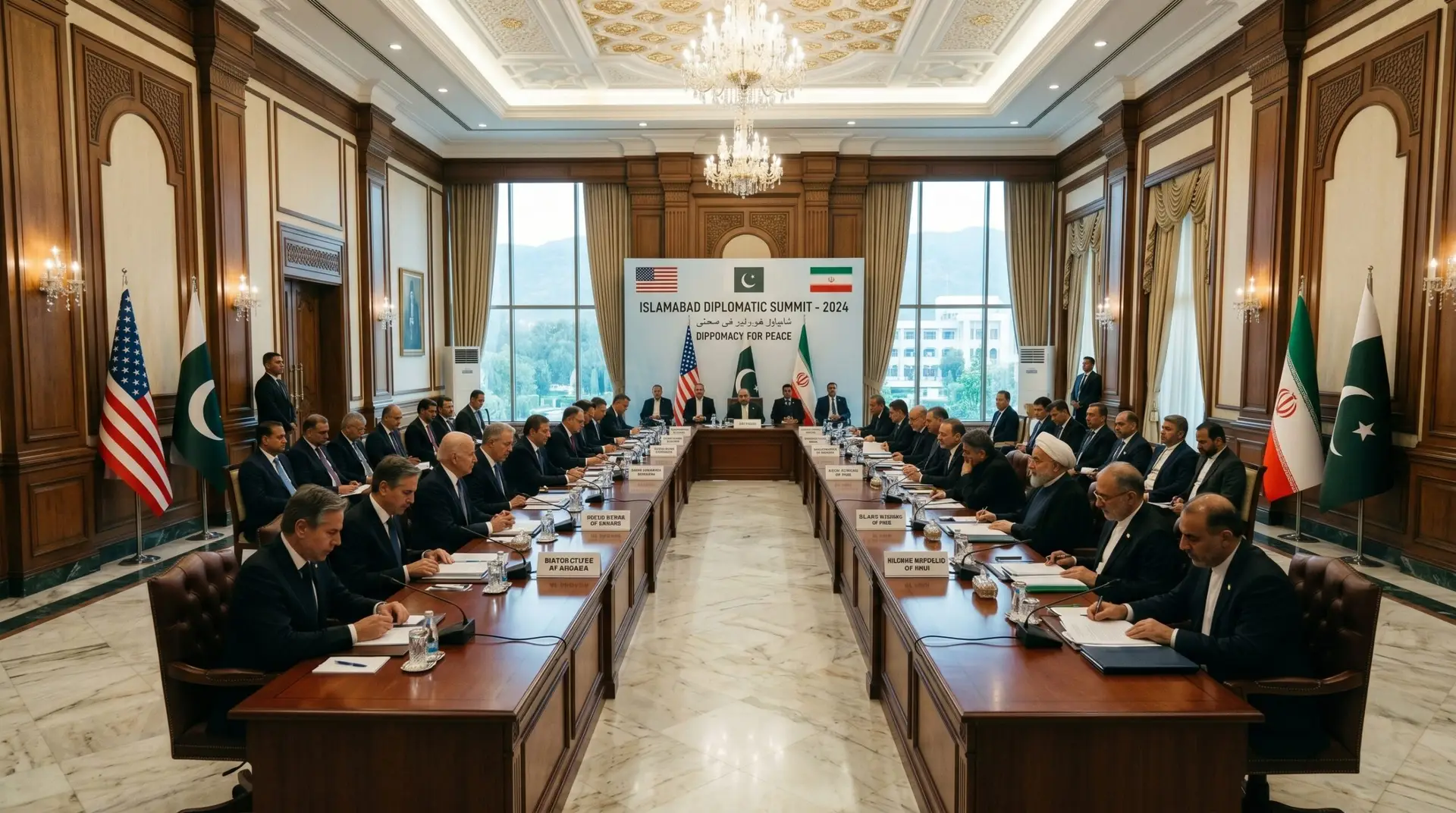
The US Iran Talks Islamabad have officially concluded their first round and after an exhausting 21-hour diplomatic marathon, the result is a stalemate. Vice President JD Vance emerged on the morning of the fifth ceasefire day to confirm that while discussions were described as “substantial,” no agreement was reached. What unfolded inside those negotiating rooms was not simply a policy disagreement. It was a fundamental collision between two entirely different worldviews of diplomacy itself.
Why US Iran Talks Islamabad Reached an Impasse?
The primary fracture in the US Iran Talks Islamabad centered on a single, non-negotiable American demand: zero uranium enrichment, permanently. The current U.S. position abandoned the framework of the 2015 Obama-era JCPOA agreement, which had permitted 3.5% enrichment with a built-in “Sunset Clause” for renegotiation. Washington not only demanded 0% enrichment but insisted that any future civilian nuclear energy for Iran must be processed outside its borders, in a country of Washington’s own choosing, under continuous American supervision ( Which Iran will never agree as we all know america).
To Tehran, this was not a negotiation. It was a demand for permanent technological surrender. In international law, where treaties are built on reciprocity and finite terms, the “No Sunset” clause was viewed as an ultimatum rather than a diplomatic offer and it set the tone for everything that followed.
Pakistan’s Successful Role as Neutral Mediator in US Iran Talks Islamabad
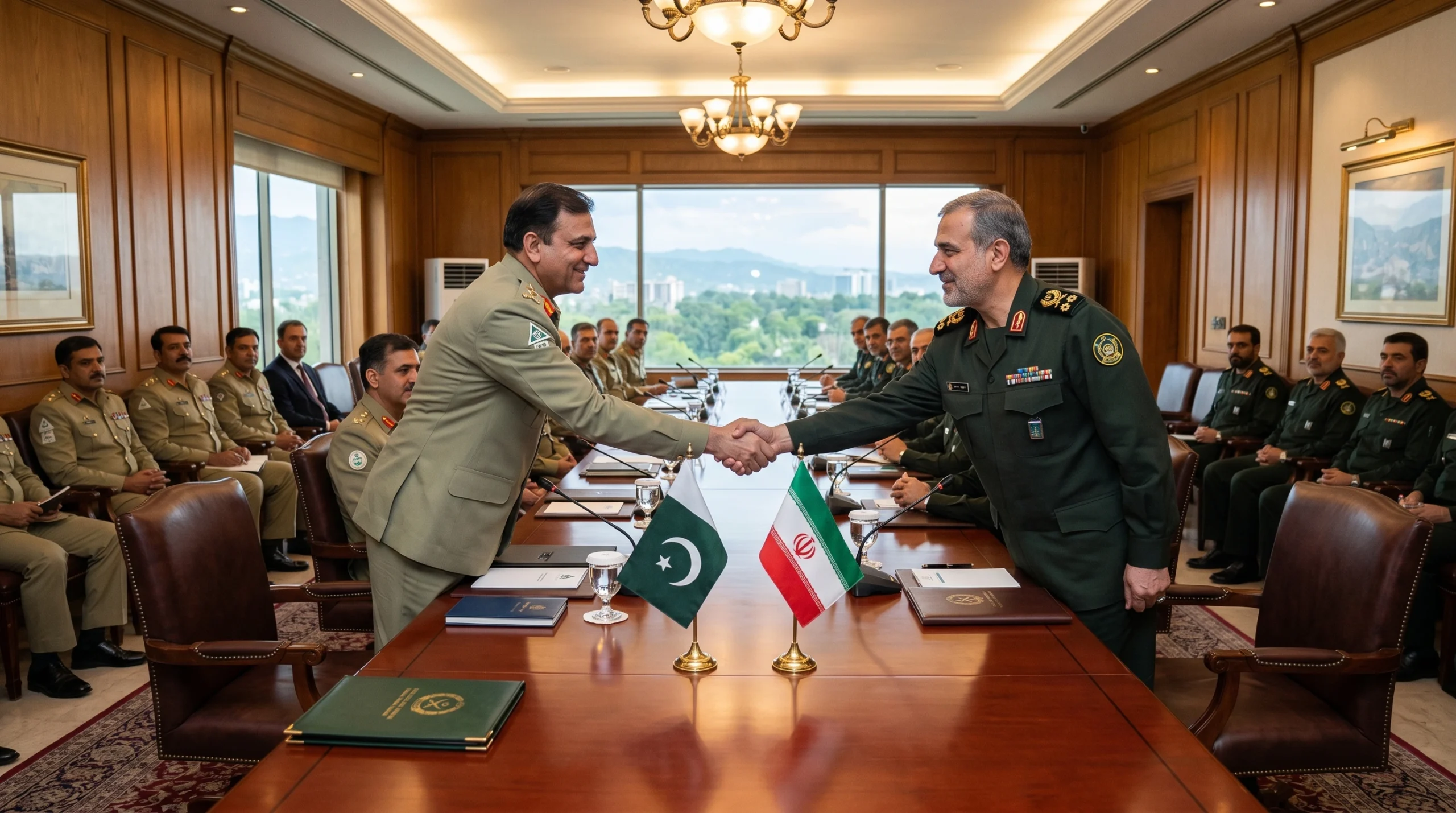
One element that held the talks together, even through the most difficult hours, was Pakistan’s role as a neutral host( On one side, Pakistan has a defense pact with Saudi Arabia and then need to maintain healthy relation with Iran and on another side, Pakistan is fighting with proxies on it’s western border) . Islamabad offered both sides a secure, politically neutral setting away from the pressures of their respective domestic audiences. Pakistan facilitated logistics, maintained the confidentiality of the process, and signaled willingness to host a second round, a significant diplomatic gesture that keeps the door open despite the impasse. In a region saturated with proxies and competing interests, Pakistan’s neutral positioning was itself a quiet achievement.
JD Vance vs the Iranian Team: What Went Wrong in the First Round
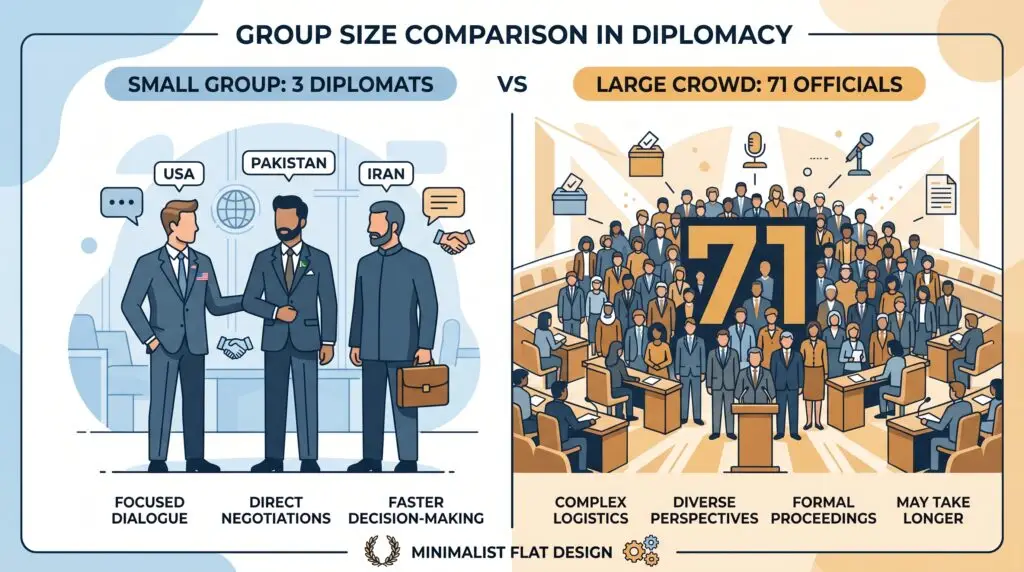
The sheer imbalance between the two delegations was one of the most striking features of the Islamabad talks. Iran arrived with a 71-person technical delegation, a mobile government that included the Central Bank Governor, nuclear scientists, legal counsel, and senior former commanders. They were empowered to make line-by-line technical decisions in real time.
Pakistan’s Role in the $20 Billion Agreement and Strait of Hormuz Reopening
The U.S, by contrast, sent a skeletal team of three senior officials. Throughout the five rounds of talks, the American delegation was repeatedly forced to pause and contact Washington for authorization or technical guidance. While the Iranian side offered immediate, detailed responses, the U.S. team was locked in a cycle of delays. This mismatch in preparation and tactical autonomy became a strategic liability that the Iranians quickly identified.
Key Sticking Points: Nuclear Enrichment and the Strait of Hormuz
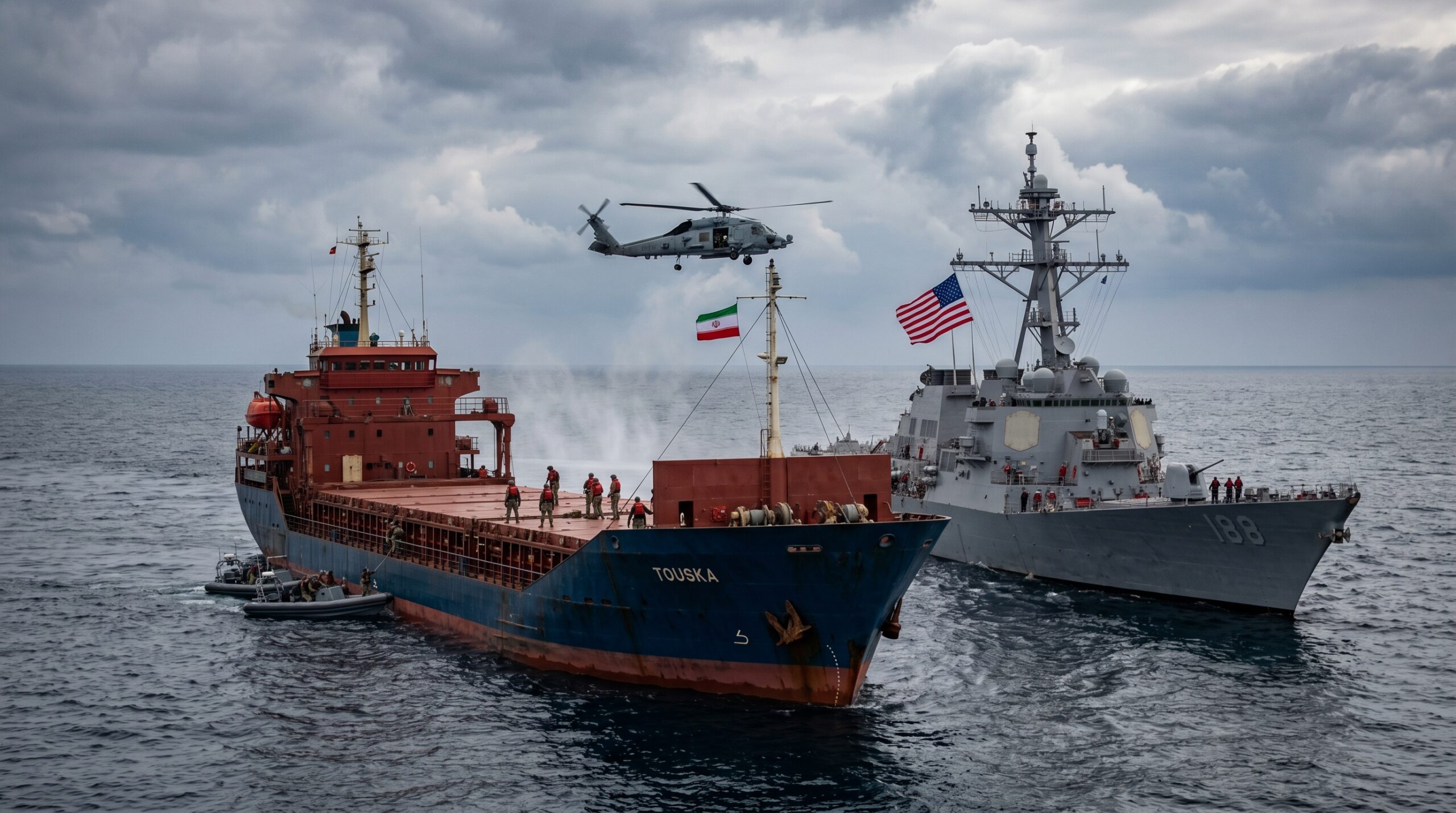
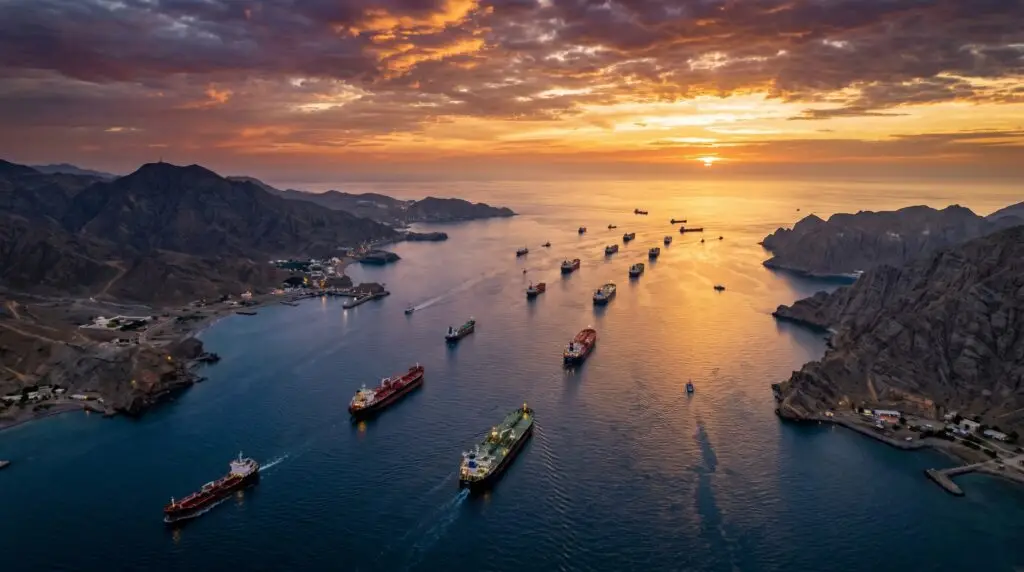
Beyond the enrichment deadlock, a second major flashpoint emerged around the Strait of Hormuz. Iran arrived with a demand for war reparations like financial compensation for the destruction and loss of life it sustained during the conflict. The American response, described by observers as pure transactional logic, proposed a joint control mechanism over the Strait, complete with a toll or transit fee system and a percentage cut of that revenue for the United States.
The proposal, which aligns with widely reported White House rhetoric about “making money” from the region, was rejected outright by Tehran. Iran’s foreign ministry viewed it as an attempt to monetize a peace process while simultaneously refusing accountability for damage caused. Treating a sovereign waterway governed by international maritime law as a revenue-sharing real estate asset was, for the Iranians, beyond the pale of legitimate negotiation.
A third sticking point emerged in the final hours: the U.S. had promised to facilitate a ceasefire in Lebanon as a precondition for talks. That promise collapsed when Israeli Prime Minister Benjamin Netanyahu reportedly called Washington to express total opposition to the Islamabad process and Israeli strikes in Lebanon continued. The U.S. delegation found itself unable to deliver the very security guarantee it had used to bring Iran to the table.
Back-Channel Diplomacy: What Happens After US Iran Talks Islamabad Failed
The ceasefire is now in its fifth day, with a narrow nine-day window remaining before the current “hold fire” agreement formally expires. Neither side has yet called for a return to open hostilities, and Pakistan has confirmed its willingness to host a second round of talks. The fact that both delegations sat across the table from each other for 21 hours without walking out is itself a signal that back-channel communication remains active.
Domestic pressure on the U.S. side is also a factor. With fuel prices hovering above $4 a gallon, the White House has a real political incentive to find a resolution that stabilizes the region. That economic pressure may prove to be a more effective negotiating driver than the “Art of the Deal” approach that characterized the first round.
The Verdict: Transactional Diplomacy Has Limits
The US Iran Talks Islamabad have delivered a clear lesson: you cannot apply a real estate model to a civilization operating on a frequency of generational grievance and technical sovereignty when the iran has 4000 years of history. The “No Sunset” enrichment demand, the Hormuz toll booth proposal, and the failure to deliver on Lebanon each of these alone might have been survivable. Together, they made agreement impossible.
The 14-day ceasefire clock is ticking. The next round of US Iran Talks, if it happens will need to begin not with demands, but with the harder work of understanding what the other side actually needs. That is a different kind of deal-making entirely.