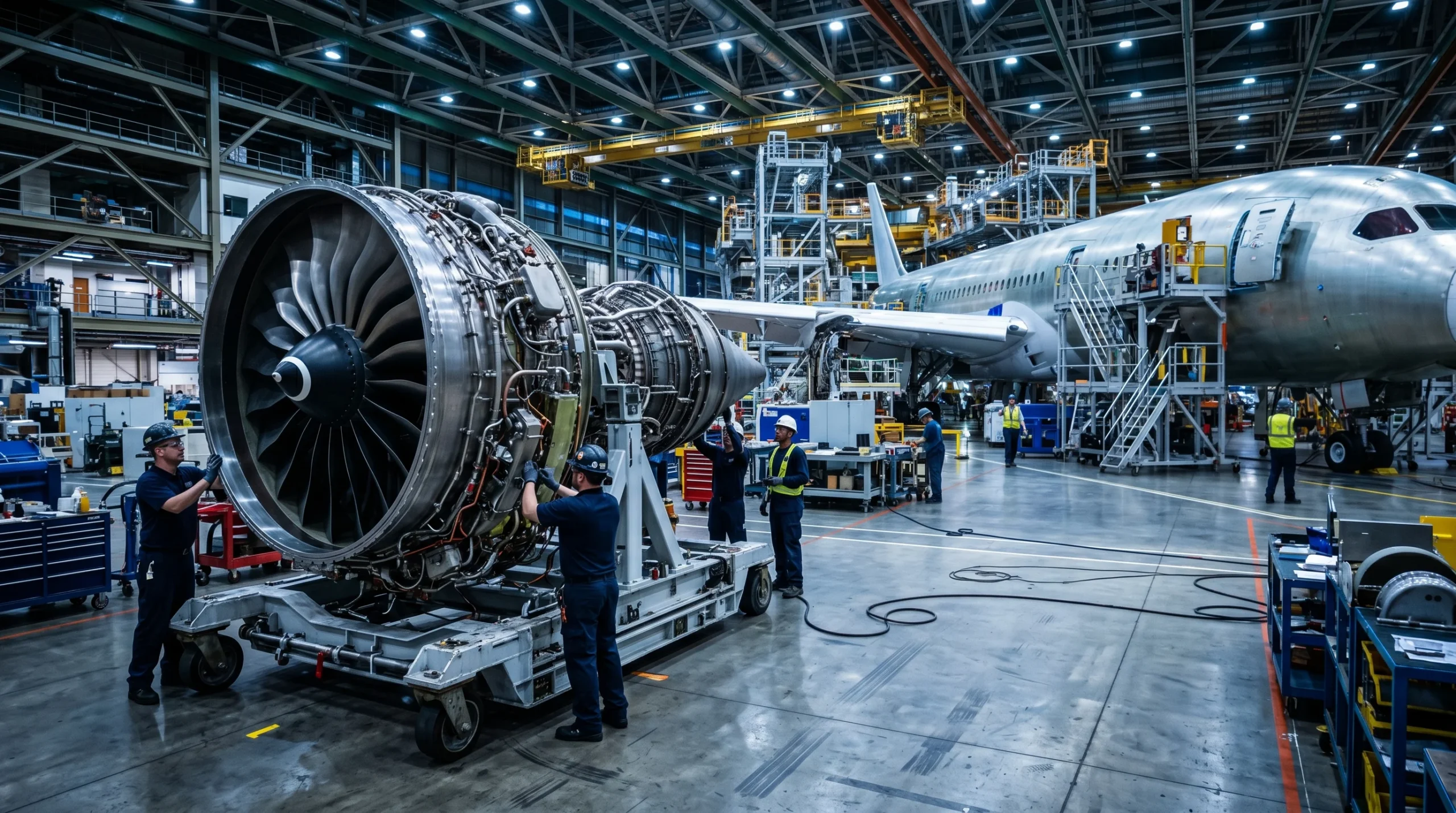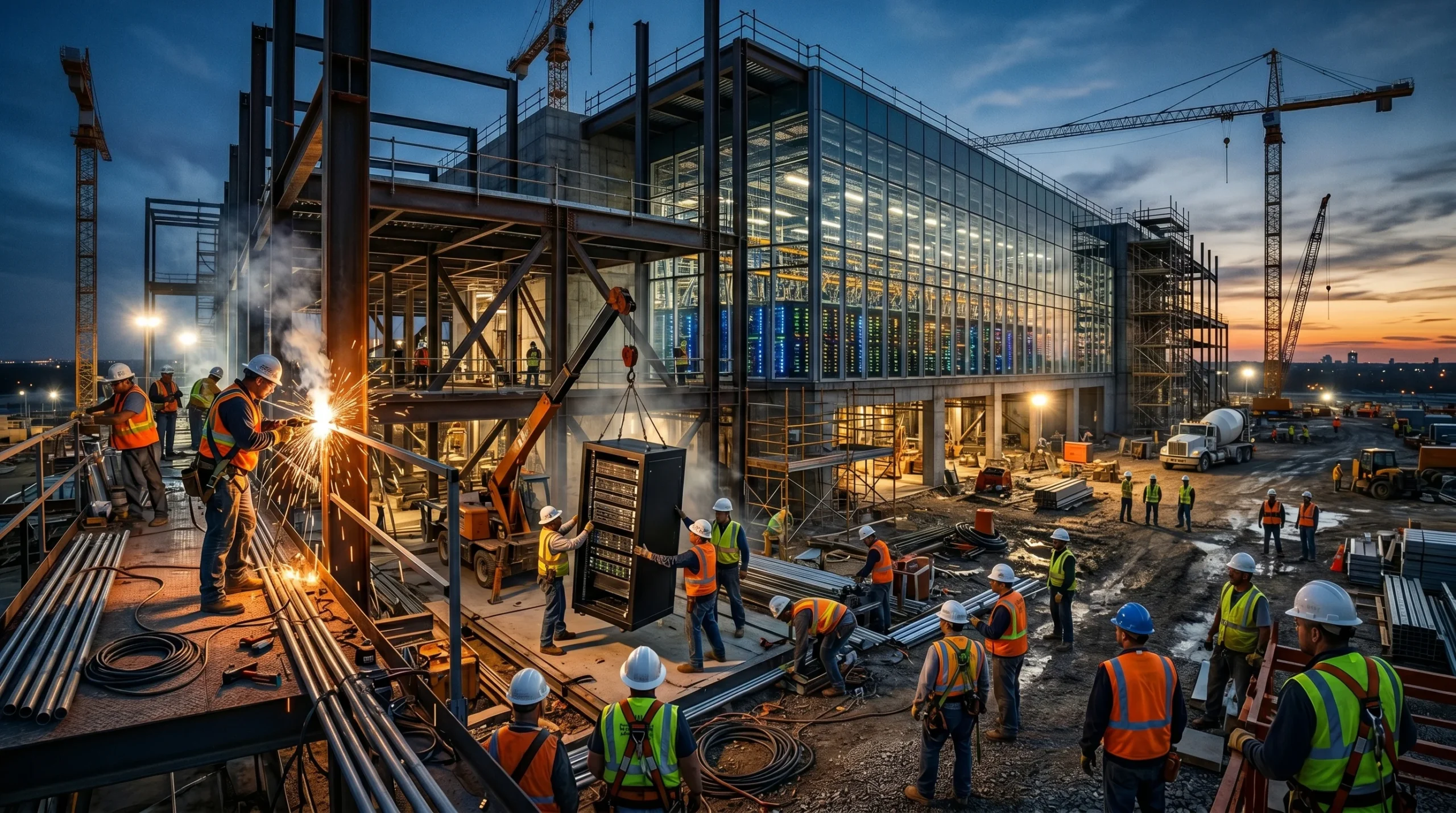
The Microsoft AI data center union deal marks the most significant shift in Big Tech labor relations in a generation and it has nothing to do with software engineers. While the world debates large language models and GPU shortages, the real bottleneck in the AI revolution is a welder, an HVAC tech, and a union electrician who hasn’t been hired yet. Microsoft has figured that out, and the consequences will reshape construction wages, energy bills, and the communities hosting these massive facilities.
What Is the Microsoft AI Data Center Union Deal?
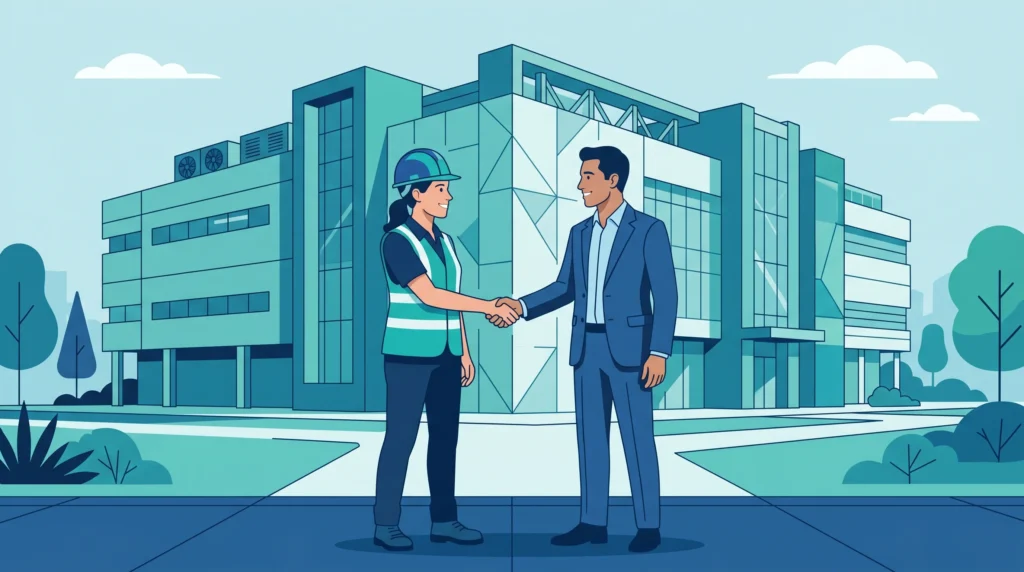
In short, Microsoft forged a formal alliance with North America’s Building Trades Unions (NABTU) and the AFL-CIO to secure the skilled workforce needed for its explosive data center buildout. This NABTU Microsoft partnership isn’t a vague goodwill gesture it is backed by a $1.5 million investment from OpenAI into TradesFutures, a dedicated training and recruitment pipeline. The coalition has already certified 1,500 instructors and is rolling out no-cost AI infrastructure workforce training nationwide.
At the same time, the Microsoft AI data center union deal includes a notable transparency commitment: Microsoft has agreed to terminate the ironclad NDAs it previously used with local governments to hide the scale of its facility operations. That shift alone signals how radically the political environment around data centers has changed.
How the Microsoft AI Data Center Union Deal Solves the Labor Shortage?
The math behind this deal is alarming. The United States currently has 400,000 unfilled skilled trades positions, a figure that is projected to balloon to 2 million by 2033. OpenAI estimates the industry will need 20% more skilled tradespeople by 2030 than currently exist just to keep pace with compute demand. No amount of automation closes that gap. Complex, live data center environments require human expertise: navigating multi-layered cooling systems, diagnosing critical power failures at 3 AM, and maintaining the redundancy that trillion-dollar AI workloads demand.
Inploi Raises £3m to Accelerate Its AI Hiring Platform
This is precisely why the AI data center labor shortage has become an existential bottleneck. The Microsoft AI data center union deal addresses it by integrating AI education into the Joint Apprenticeship Training Committee (JATC) model essentially plugging next-generation infrastructure skills directly into the most established skilled trades pipeline in North America ( Everything is for North America just).
Why Skilled Trades Are the New $150,000 Tech Career?
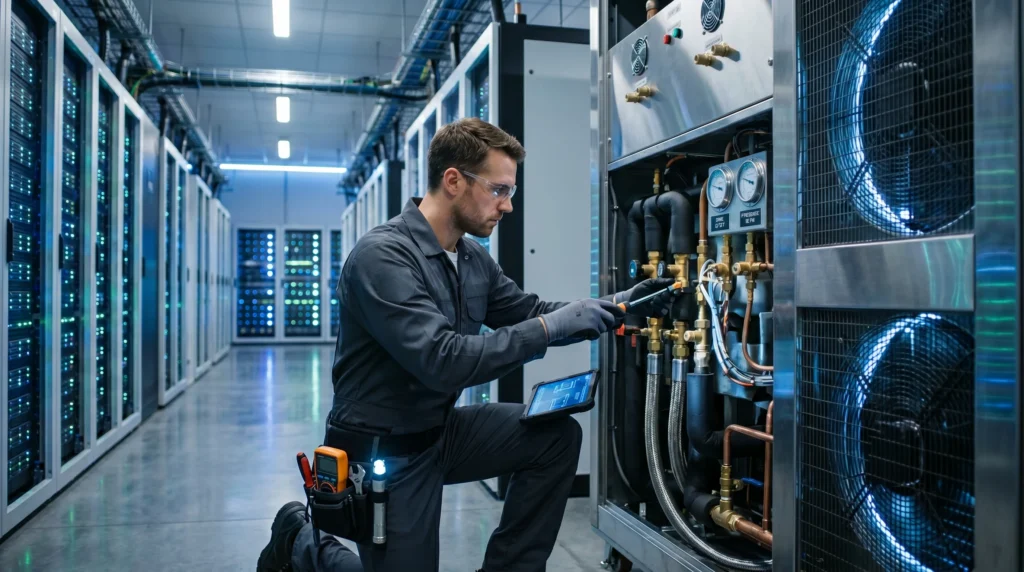
One of the most striking outcomes of the AI infrastructure boom is the wage transformation happening in skilled trades at AI data centers. An HVAC technician who previously earned $60,000 maintaining residential systems can now command upwards of $150,000 maintaining mission-critical data center cooling systems in markets like Chicago. This isn’t a temporary surge it is a structural repricing of labor that comes with zero student debt, recession-proof demand, and union protections.
The data center construction union deal formalizes this trajectory. By aligning Big Tech unions in the data center buildout with standardized training, wage floors, and safety protocols, the partnership creates a scalable pipeline that benefits both the hyperscalers who need workers and the tradespeople who need career stability.
The Environmental and Community Cost of the AI Cloud
The Microsoft AI data center union deal didn’t happen in a vacuum. It is a direct response to growing community and political resistance driven by staggering environmental numbers. In 2023, data centers consumed 17 billion gallons of water directly for cooling but an additional 211 billion gallons were consumed indirectly to generate the electricity powering them. Water use is projected to increase fivefold between 2022 and 2028.
A UWM legislative study found that 70% of voters in battleground states like Wisconsin now believe the costs of data centers outweigh their benefits, largely because of energy and water concerns. Ending NDAs with local governments is Microsoft’s calculated response trading secrecy for public trust in communities where opposition is threatening state-level moratoria on new construction.
Who Pays for the Power? The Ratepayer Protection Pledge Explained
As 2026 midterm politics heat up around energy affordability, Microsoft and OpenAI signed the “Ratepayer Protection Pledge,” a commitment that turns hyperscalers into direct utility investors. The AI infrastructure workforce training model now demands that data center operators pay 100% of the bespoke energy and grid upgrades their facilities require not spread those costs across residential ratepayers.
| Feature | Traditional Utility Growth | New AI Model (Hyperscalers) |
|---|---|---|
| Upgrade costs | Shared by all ratepayers | Paid 100% by the data center operator |
| Grid infrastructure | Public debt / rates | Hyperscalers fund substations and land |
| Risk of bill hikes | High for families | Segregated rates protect consumers |
| Political context | Slow, regulated | White House-backed rapid expansion |
Why Critics Worry About Costs and AI Expansion Speed?
Even with the Ratepayer Protection Pledge in place, implementation is contested. In Wisconsin, We Energies has proposed a 75/25 cost-split option that would still leave residents covering 25% of infrastructure upgrades. Consumer advocates argue that any shared cost model undermines the intent of the pledge and that the speed of Microsoft construction unions AI infrastructure expansion may outpace regulatory oversight.
The AI Future Is Built by AI?
The Microsoft AI data center union deal is, at its core, an acknowledgment of something the tech industry spent decades trying to deny: the digital economy runs on physical labor and now with layoffs due to AI and Robotics, these Companies are spending heavily on AI and will fire more people. So, In short AI will build it’s own Future. The cloud is copper and concrete.
The AI revolution depends on a weld that holds and a union electrician who shows up (Lies). As hyperscalers race to scale compute, the quality of that infrastructure and the trust of the communities hosting it will determine whether the AI boom becomes a lasting transformation or a cautionary tale about forgetting who actually builds the world.
FAQ’s
It is a formal labor alliance between Microsoft, OpenAI, NABTU, and the AFL-CIO to recruit, train, and deploy unionized skilled tradespeople for the construction and maintenance of AI data center infrastructure across the United States.
The US faces a shortage of 400,000 skilled trades workers today, projected to hit 2 million by 2033. Microsoft partnered with unions to access the most reliable, trained, and scalable labor pipeline available for complex, mission-critical infrastructure projects.
In major markets like Chicago, specialized roles such as data center HVAC technicians and critical facilities electricians can earn upwards of $150,000 per year more than double typical residential trade salaries with union protections and no student debt required.