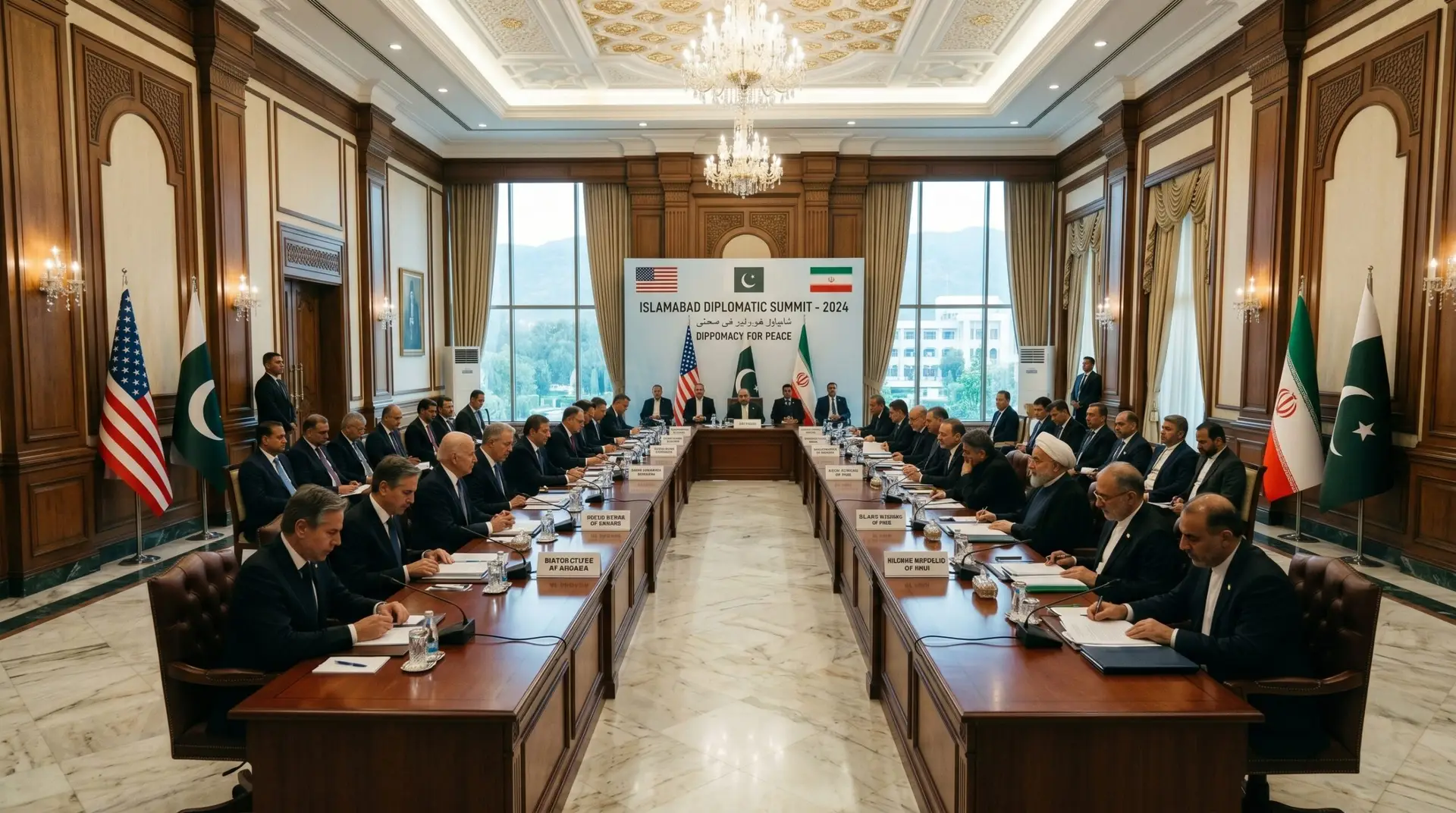
In a dramatic diplomatic turn that few analysts predicted, Pakistan mediates US-Iran ceasefire extension halting what many feared would become a catastrophic resumption of hostilities across the Persian Gulf. As the original two-week ceasefire brokered in Islamabad approached its April 22, 2026 deadline, it was Pakistan’s military leadership and civilian government that stepped in to secure an indefinite extension, earning Pakistan a rare standing ovation on the global stage.
Pakistan Mediates US-Iran Ceasefire Extension: How It Happened
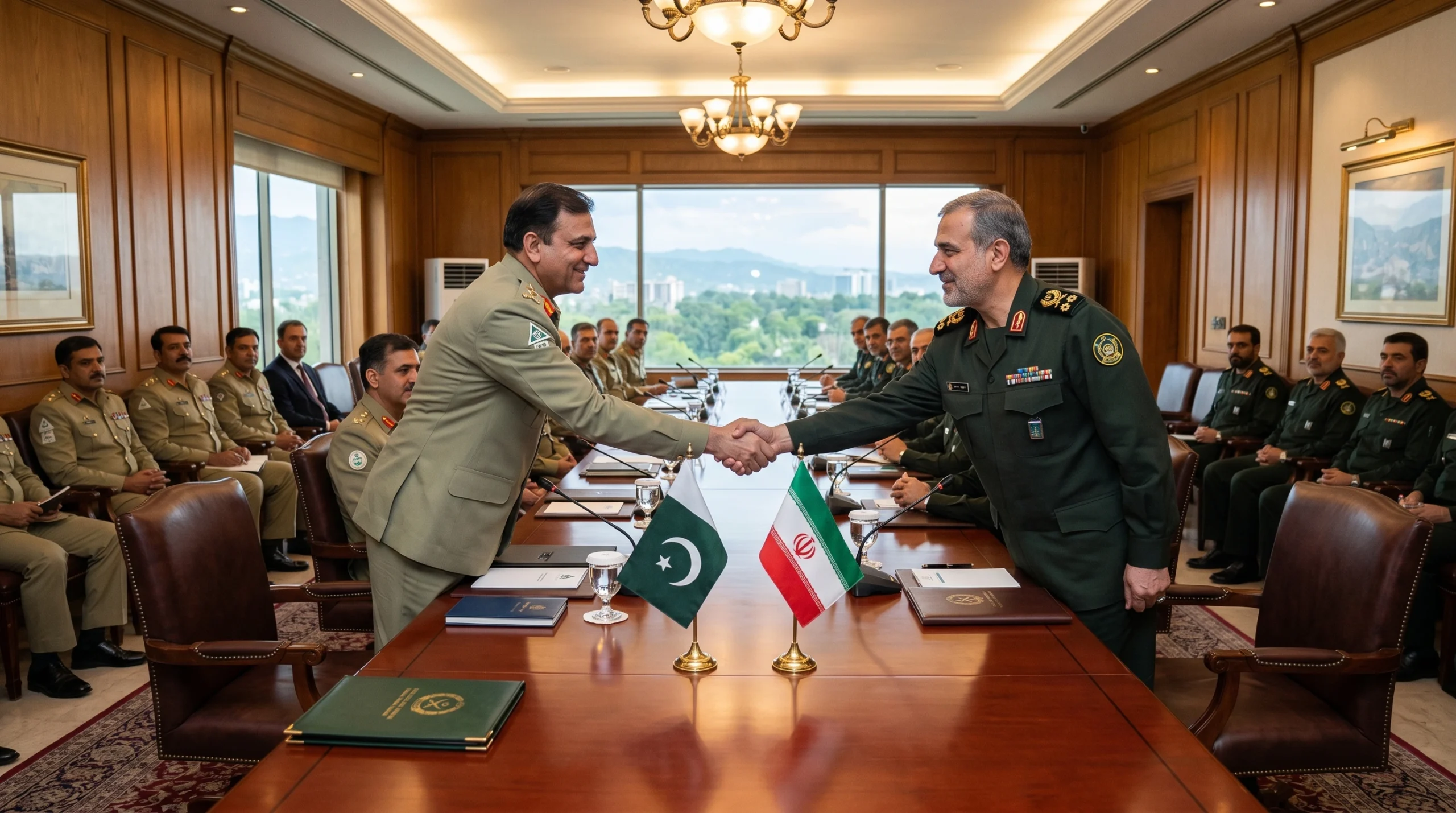
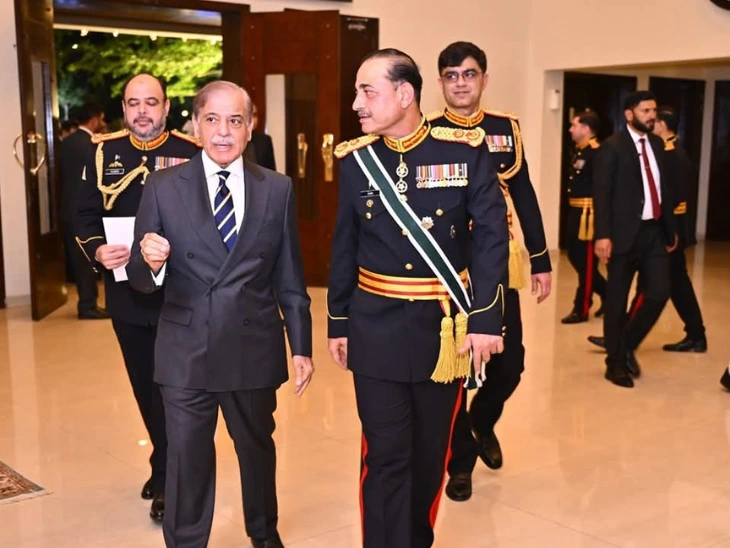
The story begins in Islamabad, where Field Marshal Asim Munir emerged as the most consequential back-channel diplomat of 2026. With traditional mediators like Qatar effectively sidelined following Iranian strikes, Pakistan became the only remaining trusted channel between Washington and Tehran. Munir’s approach was uniquely described as “chameleon diplomacy” receiving Iranian delegations in full Field Marshal dress to command regional respect, while welcoming American officials in formal Western attire to signal strategic alignment with international norms.
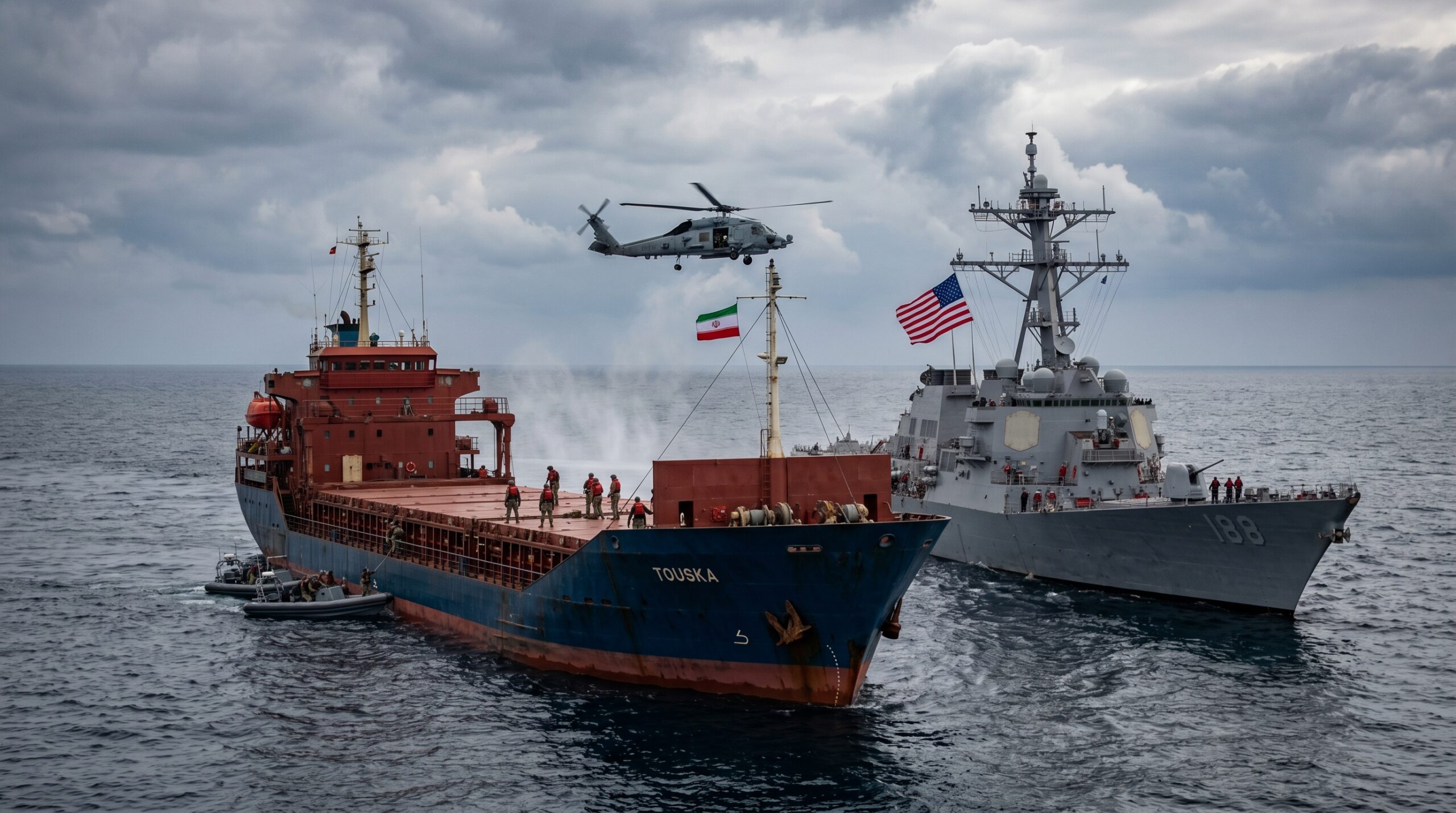
US Seizes Iranian Cargo Ship Touska! What Actually Happened?
President Donald Trump publicly credited Pakistan for convincing him to extend the ceasefire, making this one of the clearest acknowledgments of Pakistani diplomatic leverage over a US administration in recent memory. Prime Minister Shehbaz Sharif and Field Marshal Munir together managed a delicate 15-point proposal from the US side and a 10-point Iranian counter-response, all funneled through Islamabad’s quiet diplomatic corridors rather than traditional State Department channels.
Trump’s Decision: Extending the Ceasefire at Pakistan’s Request
When the April 22 deadline loomed, the Trump administration was weighing the option of resuming targeted strikes on Iranian nuclear and military infrastructure. It was a direct, high-level appeal from Pakistani leadership that changed the calculus in Washington. Trump agreed to halt the planned strikes and extend the ceasefire indefinitely, citing Pakistan’s credibility as a neutral interlocutor and its unique access to Iranian decision-makers.
This moment represents a significant foreign policy win for Islamabad, which has long sought to translate its geographic and strategic position into meaningful global influence. The Pakistan diplomatic victory US-Iran watchers are now calling “the Islamabad factor” may redefine how future crises in the Middle East are managed.
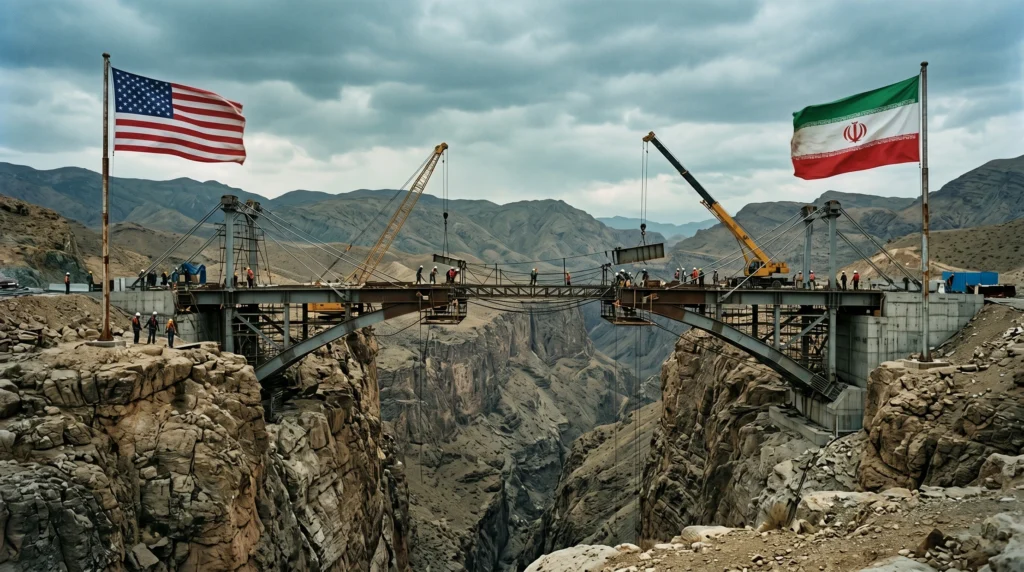
Iran’s Resilience Amid Naval Blockade and Pakistan’s Role
Understanding why Pakistan’s mediation was necessary requires a clear picture of Tehran’s internal crisis. Iran’s economy has been devastated by the US-led naval blockade of the Strait of Hormuz, draining an estimated $500 million per day from Iranian coffers. General inflation has surpassed 70%, with food and medicine prices rising by over 110%. Between 12 and 15 million jobs have been lost since the 40-day conflict (February 28 – April 7, 2026).
Within Tehran’s corridors of power, a dangerous split has emerged. A hardline faction within the Islamic Revolutionary Guard Corps (IRGC), led by Commander Ahmad Vahidi and SNSC Secretary Mohammad Bagher Zolghadr, views the ceasefire as nothing more than a tactical pause to rearm and regroup. The pragmatic camp, led by Parliament Speaker Mohammad Bagher Ghalibaf, recognizes that Iran cannot sustain a prolonged confrontation against a technologically superior US-Israeli coalition.
Pakistan’s role has been to keep both factions at the table emphasizing to hardliners the catastrophic human cost of resumed conflict while reassuring pragmatists that a diplomatic exit exists. Iran resilience Pakistan peace efforts have become a recurring phrase in regional analysis, capturing how Islamabad has bridged the gap between Tehran’s survival instincts and Washington’s coercive strategy.
How Shehbaz Sharif and Asim Munir Secured the Breakthrough?
The Shehbaz Sharif, Asim Munir Iran mediation effort was not built overnight. Pakistan leveraged three key advantages: geographic proximity to Iran, deep institutional relationships with both Washington and Tehran, and Field Marshal Munir’s personal credibility as a military leader untouched by the direct conflict. Unlike Qatar, which had served as a key intermediary until Iranian missiles struck near its diplomatic facilities Pakistan maintained full communications with both capitals throughout the war.
Munir’s direct access to White House principals allowed the 15-point US proposal to be transmitted without the bureaucratic delays of the State Department. This speed and directness was crucial: in a conflict where a single miscommunication could trigger military action, Pakistan’s role as a reliable messenger proved invaluable.
The Strait of Everything: Why the Ceasefire Matters for the Entire World?
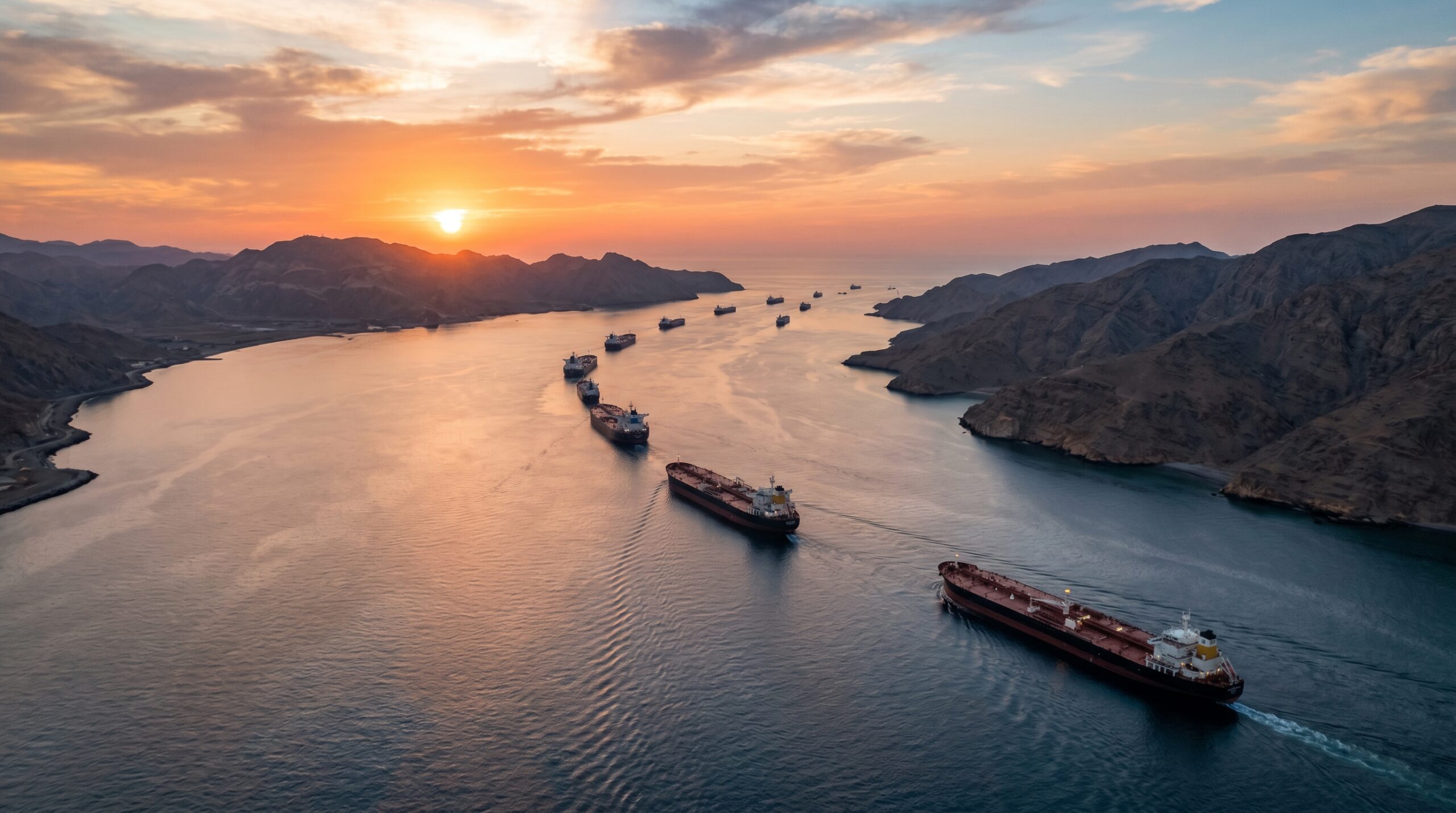
The Strait of Hormuz is no longer just an oil chokepoint analysts are now calling it the “Strait of Everything.” Iranian forces have threatened undersea internet cables and cloud infrastructure in the region, with drone strikes already targeting Amazon Web Services facilities in the UAE and Bahrain. Global supply chains have felt the impact: from petrochemicals to pharmaceuticals, the ripple effects of this conflict have reached consumers worldwide.
This is precisely why Pakistan mediates US-Iran ceasefire extension with such urgency not merely as a regional neighbor, but as a responsible stakeholder in global economic stability. A resumed conflict risks not just lives in the Middle East, but supply chains, digital infrastructure, and food prices across every continent.
What Pakistan’s Diplomatic Victory Means for Regional Peace?
For Pakistan, this moment transcends the immediate crisis. It demonstrates that Islamabad can serve as a credible, neutral platform for great-power diplomacy, a role it has historically struggled to claim despite its strategic location. The Trump extends Iran ceasefire Pakistan request dynamic has elevated Pakistan’s soft power in ways that years of traditional diplomacy could not.
For the region, the indefinite extension buys time for a more durable settlement. Negotiators in Islamabad are now working on a framework that could address the US demand for Iranian nuclear concessions against Tehran’s demand for full blockade removal. Whether that framework materializes into a permanent peace or collapses under pressure from IRGC hardliners remains the central question of 2026’s most consequential geopolitical story.
What is clear is this: when the world needed a bridge between two nuclear-armed rivals on the brink, it was Pakistan mediates US-Iran ceasefire extension that became the defining headline and Pakistan that answered the call.
What’s Next for the World?
The ceasefire extension is neither a final peace nor a guaranteed one. Tehran’s internal power struggle, Washington’s hawkish voices, and the continuing economic strangulation of Iran all threaten to undo what Pakistan has carefully stitched together. But for now, the guns are silent, the Strait of Hormuz remains open although there were news that strait is again closed but Islamabad stands at the center of the world’s most important diplomatic effort. Pakistan’s mediation of the US-Iran ceasefire extension is, without question, the most significant foreign policy achievement in the country’s recent history and a model for how middle powers can shape global outcomes in an age of great-power rivalry.
If Israel stop pulling USA Strings and Trump care about their own their Country then they can achieve many things and if America don’t consider then they have bigger threats on their Head from China and Russia.