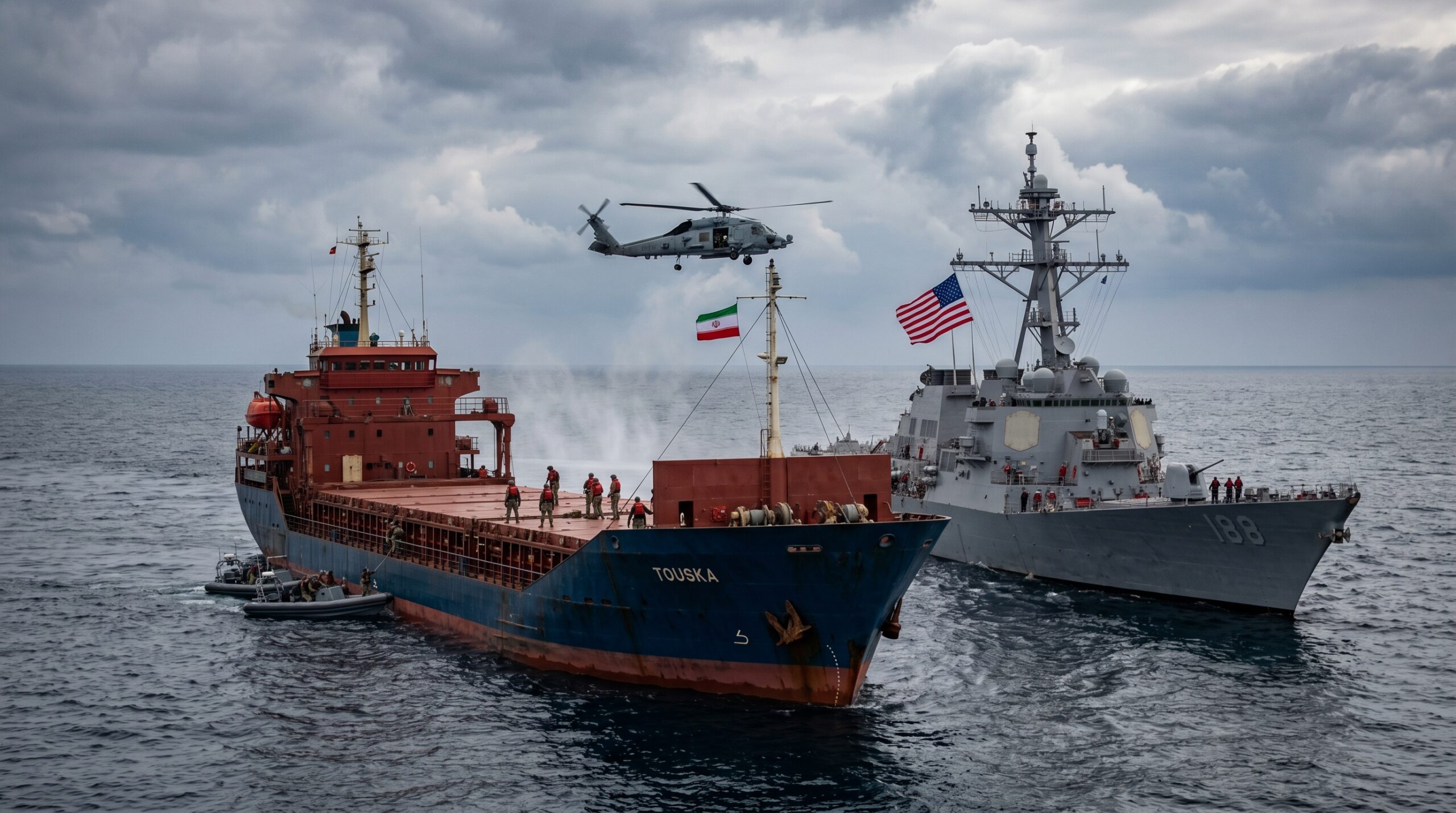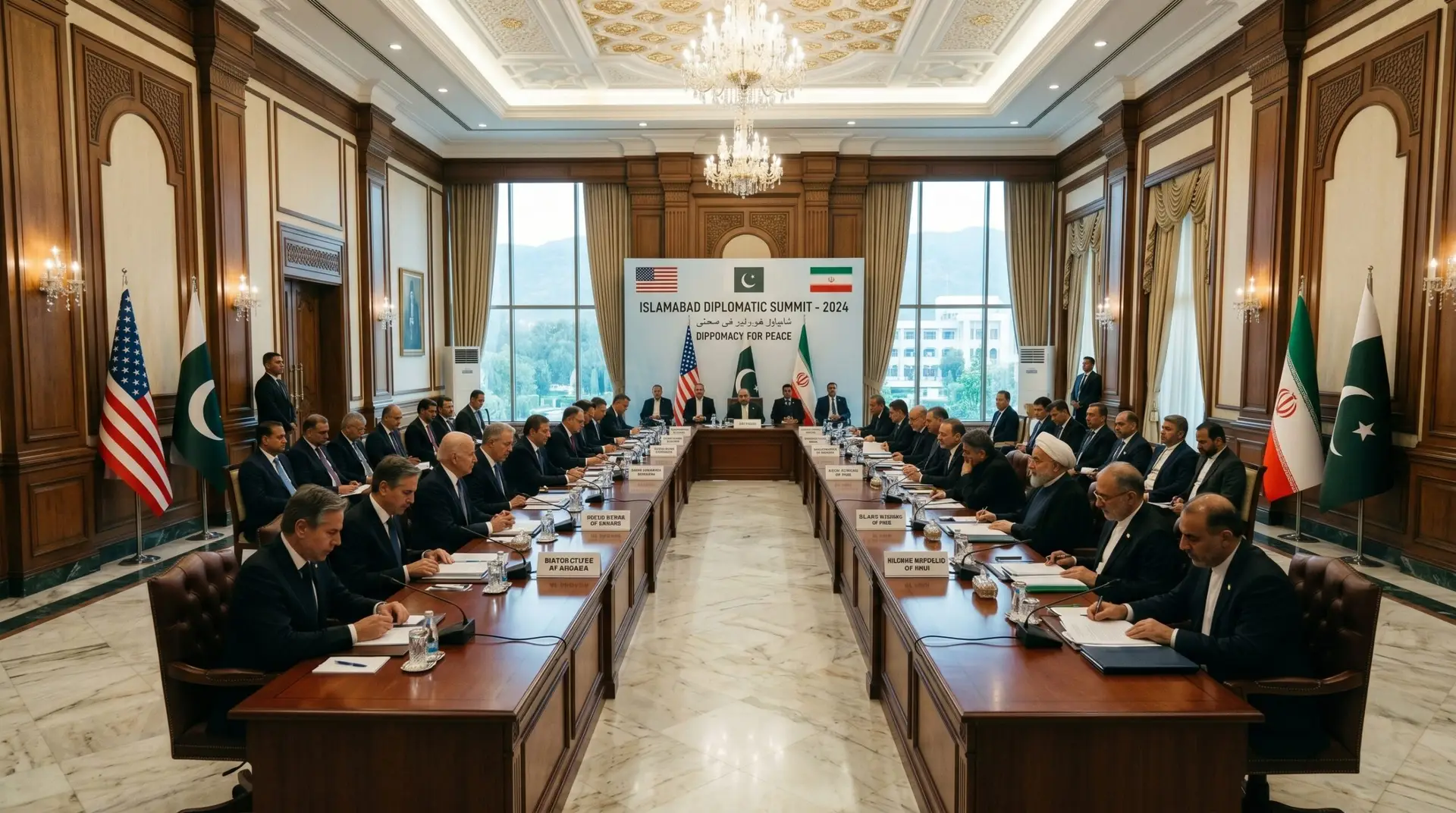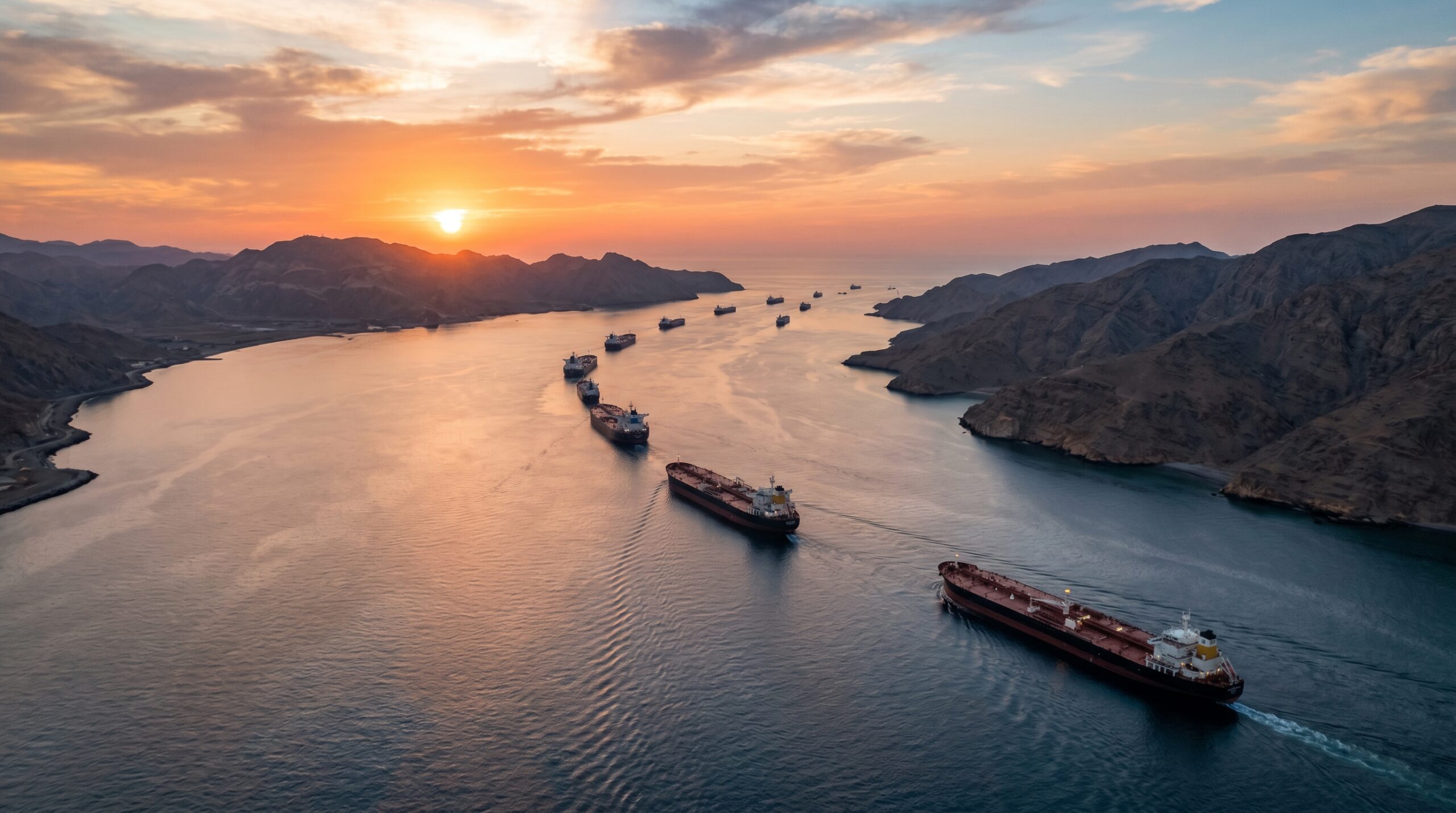
For 49 tense days, the world held its breath as the Strait of Hormuz, the narrow maritime corridor through which nearly 20% of the world’s oil supply flows which remained gripped in a strategic chokehold. Then, almost without warning, the pressure broke. The announcement of the Strait’s reopening was not a spontaneous act of goodwill. Behind it lay a meticulously negotiated three-page Memorandum of Understanding, $20 billion in unblocked sovereign assets, and a clandestine mediation mission led by Pakistan’s Army Chief, General Asim Munir. The Asim Munir shuttle diplomacy US Iran deal now stands as one of the most consequential, and least reported, diplomatic breakthroughs of 2026 and the world will remember, how Pakistan saved them.
How Pakistan Became the Unlikely Grand Mediator?
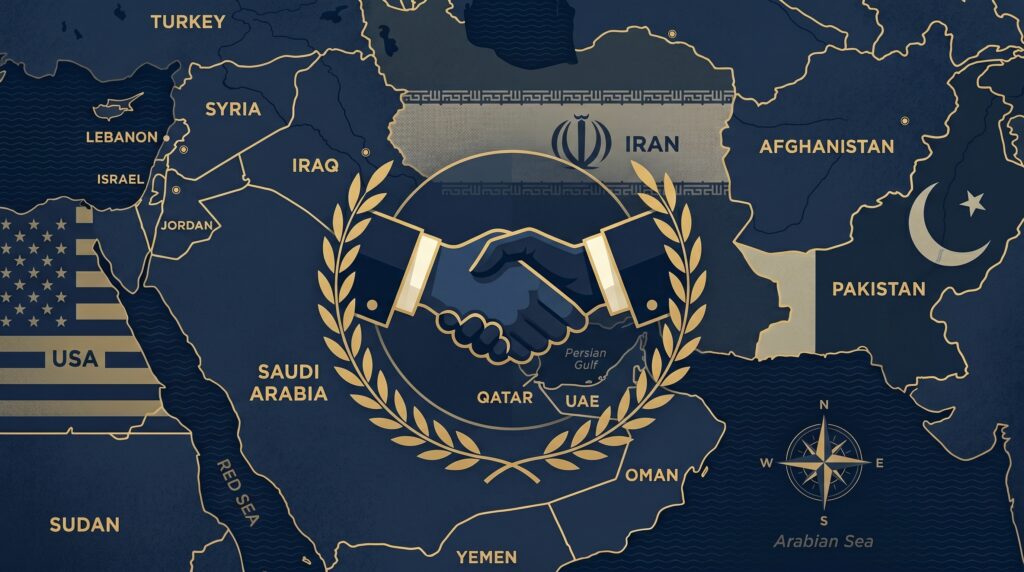
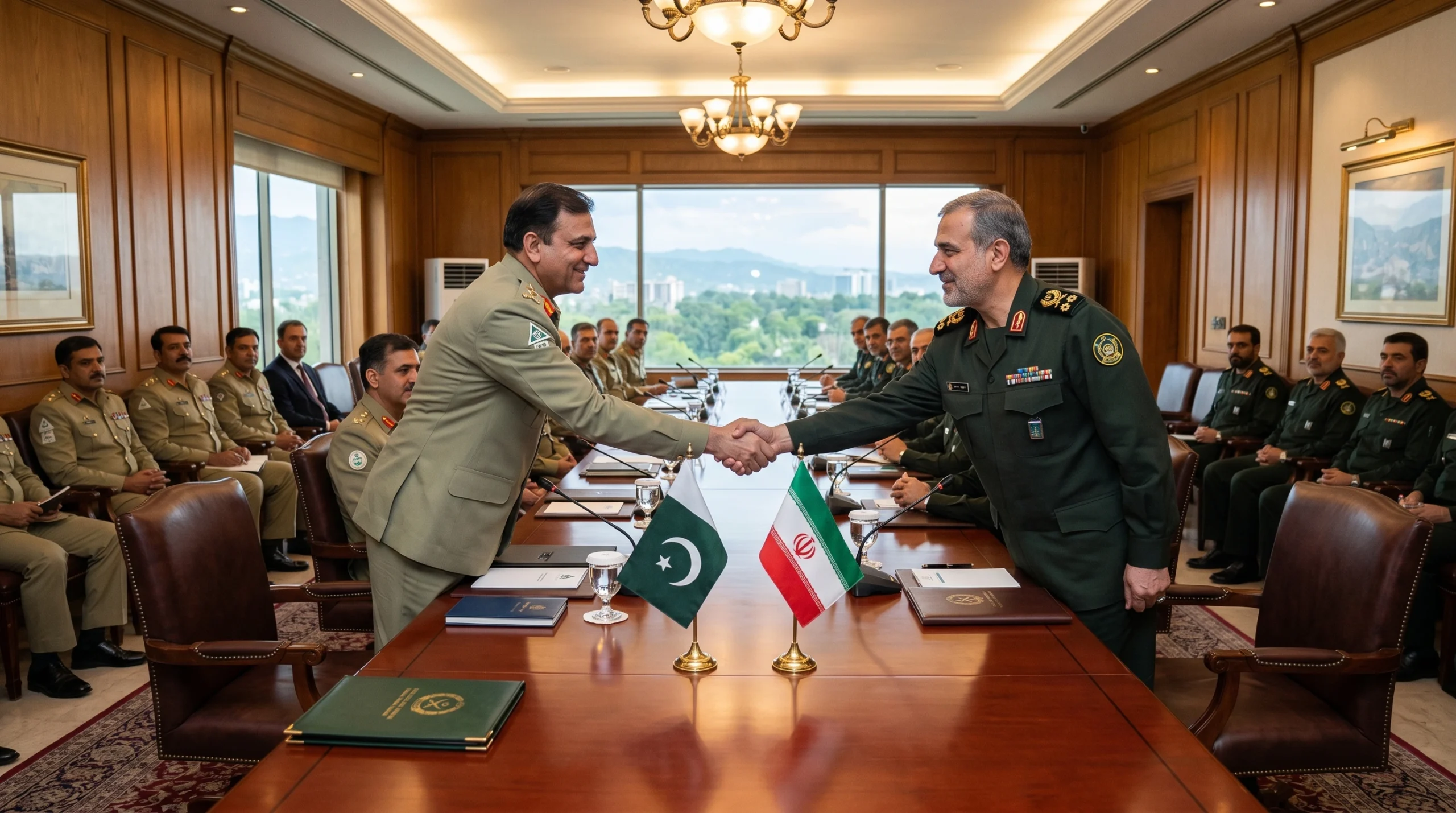
In Washington’s traditional playbook, we all know Middle East diplomacy runs through European allies, Gulf monarchies, or the UN Security Council (which eventually is just a puppet and is useless). Not this time. General Asim Munir conducted a 100% secret, two-day mission to Tehran, accompanied by Pakistan’s Interior Minister, serving as a silent two-way communication bridge between Iranian leadership and the US State Department. No press corps. No advance notice. No third-party spoilers in the room, and this is how a deal should be made rather than tweeting 24/7.
This was shuttle diplomacy in its purest form, and it worked precisely because Pakistan was an unexpected actor. Historically, Iran and Pakistan maintained a relationship built on deep mutual suspicion because of various factors. Tehran was once strategically closer to New Delhi, a relationship exemplified by the Chabahar port project and the capture of alleged Indian operative Kulbhushan Jadhav. That Islamabad could now serve as Tehran’s trusted interlocutor with Washington signals a dramatic realignment in South Asian and Middle Eastern geopolitics.
Pakistan’s motivations were equally strategic. A full-scale US-Iran military confrontation would have destabilised Pakistan’s entire western frontier, as Pakistan is already fighting with proxies there. By becoming the middleman, Islamabad secured its own borders, elevated its regional standing with both Arab states and Western capitals, and positioned itself as a new power broker in a rapidly multipolarising world.
The $20 Billion Price Tag: Assets, Uranium, and Face-Saving Formulas
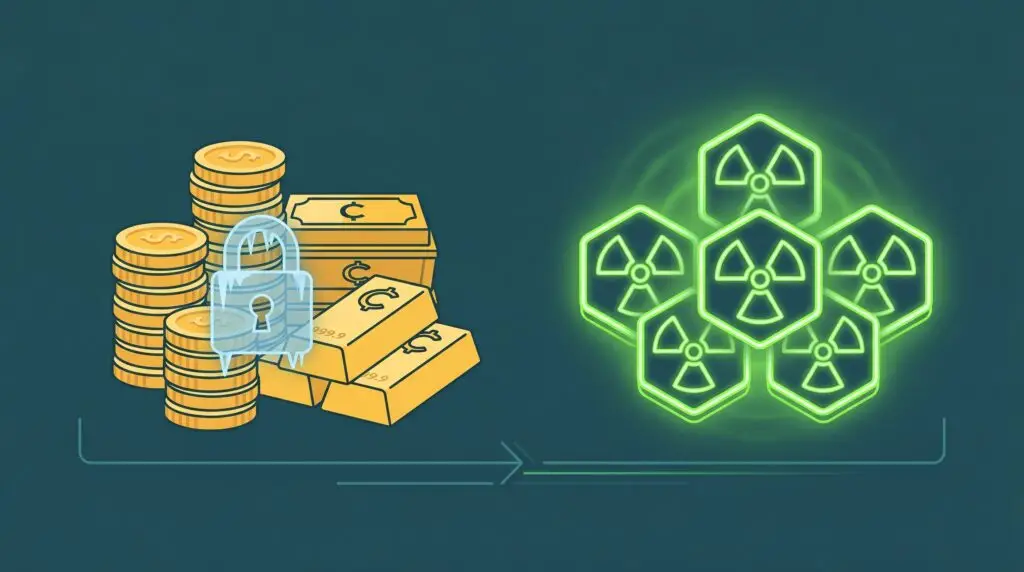
At the financial core of the US Iran deal is a $20 billion asset settlement, a figure that both sides are diplomatically careful not to call a ransom. Iran’s initial demand was $27 billion: the full total of sovereign wealth frozen in international banking systems, plus interest and $1 billion for military hardware, specifically tanks – paid for in 1979 and never delivered by the United States.
The final compromise landed at $20 billion. Central to this figure is the controversial $6 billion currently parked in Qatar, derived from South Korean oil sales, unfrozen in September 2023 as part of a prisoner exchange, then “double-frozen” following the events of October 7, 2023. The current agreement demands their final release.
The Trump administration has framed this carefully, insisting “no money will exchange hands”,a political formula designed to avoid the same criticisms. Trump once levelled criticism against the Obama administration’s $150 billion asset unfreezing. In practice, the funds will flow through supervised accounts earmarked for humanitarian purposes: food and medicine. Iran gets the liquidity it needs; Washington maintains plausible deniability as always.
How to Use AI for Stock Market Predictions the Right Way
In exchange, Iran has agreed to “down-blend” its stock of enriched uranium, I think somewhere between 450 and 550 kilograms enriched to 60 per cent purity. Rather than shipping this material to the United States, which Iran rejected as a sovereignty violation (they can’t afford this for their own safety), Tehran will internally reduce enrichment levels, ensuring the stockpile remains viable only for peaceful energy projects. This arrangement satisfies both sides without either conceding the optics of capitulation.
The Strait Reopens But Only Just
Iranian Foreign Minister Abbas Araghchi declared the Strait “completely open for all commercial vessels for the remaining period of the ceasefire”. That final phrase is critical. The reopening is explicitly tied to the 14-day Lebanese ceasefire (as Israel was continuously bombing Lebanese), and with ten days already elapsed at the time of announcement, the global economy was essentially operating within a four-day commercial window.
The terms are narrowly defined. Commercial tankers must follow coordinated routes established by Iran’s Port and Maritime Organization. US warships and destroyers remain explicitly barred. Meanwhile, President Trump declared on Truth Social that the Strait was “completely open and ready for business” while simultaneously insisting the US naval blockade remained in “full force”, a contradiction analysts have described as semantic gymnastics since the blockade has proved largely ineffective against the 90% of maritime trade flowing to China and other non-Western partners.
Tehran has effectively weaponised maritime trade, turning global oil flows into a direct lever for regional policy. The Strait of Hormuz reopening is welcome, but it is a window, not a door. Let’s see, for how much longer will it remain open, as Israel doesn’t like this deal and will try to break this deal at any cost!
The Silent War: 10 Missing US Scientists
While diplomats shake hands over the Hormuz agreement, a darker subplot continues to unsettle US intelligence circles. Between 2023 and 2026, ten high-level American scientists, engineers and contractors linked to NASA and nuclear or rocket programmes have either vanished or been found dead (we all know who did this and why). Among them were Monica Reza, a director at a NASA laboratory specialising in material processing for rockets; Steven Garcia, a senior engineer; and William Neil, a retired Air Force major general involved in nuclear programmes who left home carrying a revolver and hiking boots and was never seen again.
Two theories dominate. The first is hostile extraction, where foreign intelligence agencies are systematically eliminating or recruiting American scientific talent to stall US space-based nuclear capabilities. The second is a domestic black site theory: that the US government itself has quietly relocated these experts to classified facilities to accelerate development of space-based nuclear weapons. On one side they are trying to remove the nuclear, and on another side they are building it. What an irony. We can’t do anything here, as those who have power can do anything. If you speak up, you will be removed also (as those scientists were), an area where America currently lags behind China and Russia. Neither scenario is reassuring.
Superpower Decline and the Peace Shopping Bag
Many geopolitical analysts frame all of this within a broader framework of superpower decline. The United States, analysts argue, has entered a stage characterised by frantic power projection and increasingly theatrical diplomacy. Trump’s social media announcements declared Israel “prohibited” from bombing Lebanon and claimed credit for the Strait reopening project’s strength while masking a more uncomfortable reality: Washington is running low on both military stockpiles and political capital for sustained conflict.
These deals are less about strategic vision and more about closing doors quickly enough to preserve the illusion of control. The peace being assembled, the ceasefire here, and the asset unfreeze there are collected rather than constructed. It is fragile by design.
A Fragile New Normal
The Asim Munir shuttle diplomacy US Iran deal, the $20 billion asset settlement, and the Strait of Hormuz reopening together represent a genuine, if temporary, reduction in global tension. The immediate crisis has been managed. But the underlying fault lines, like Iran’s ballistic missile programme, its regional proxies in Lebanon and Yemen, and the permanent question of US military presence in the Gulf, will remain entirely unresolved, and unless Arab nations don’t take action, these US forces will remain there, and I hope Arabs now must learn a lesson, as the USA is not sincere and only loves money and will not protect them at any cost, and the world has seen it.
Pakistan has emerged from this episode with its regional standing enhanced. The world has bought itself breathing room. But as history repeatedly warns, in the Great Game of geopolitics, the gate that opens can close just as quickly.