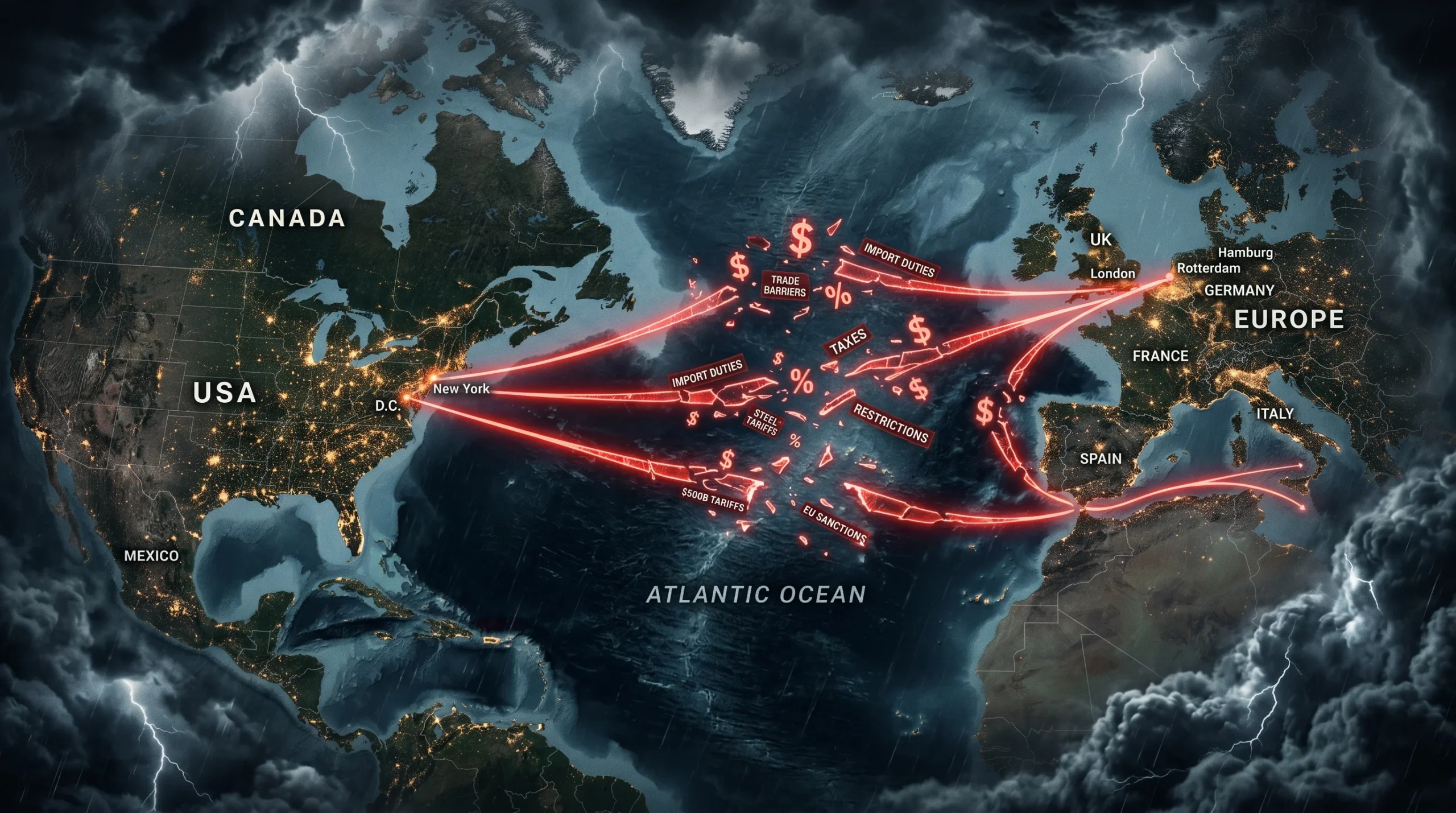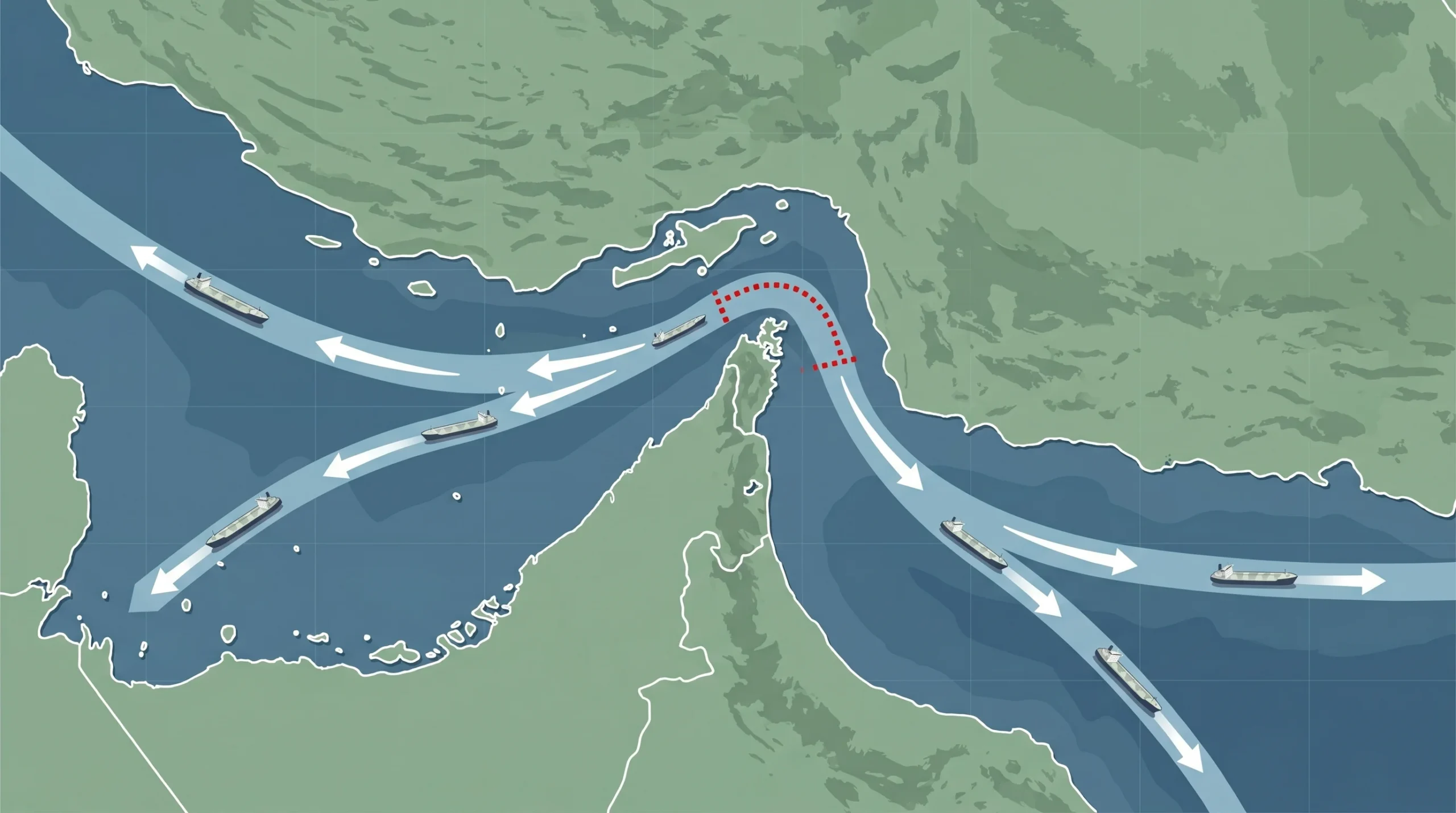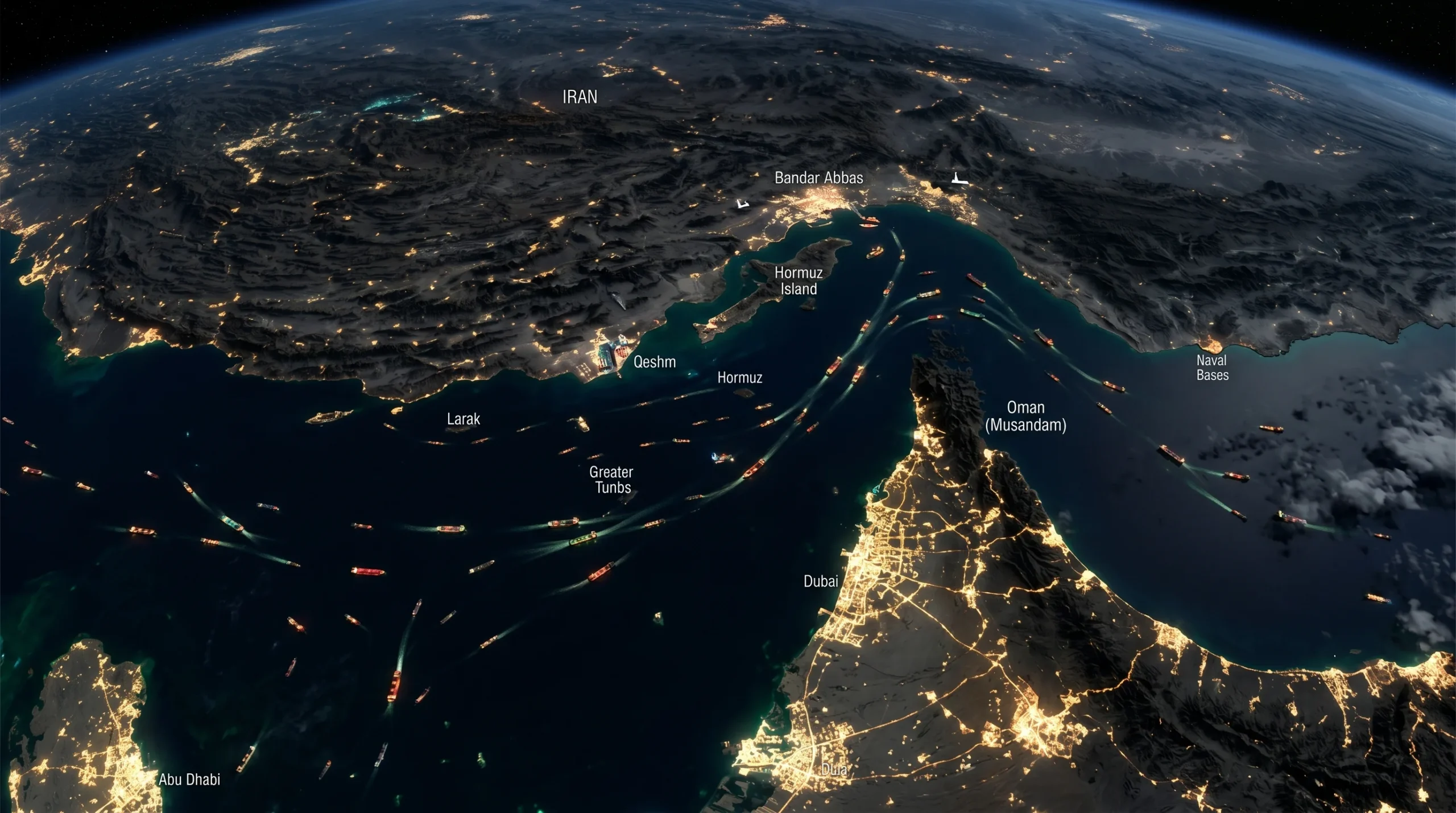
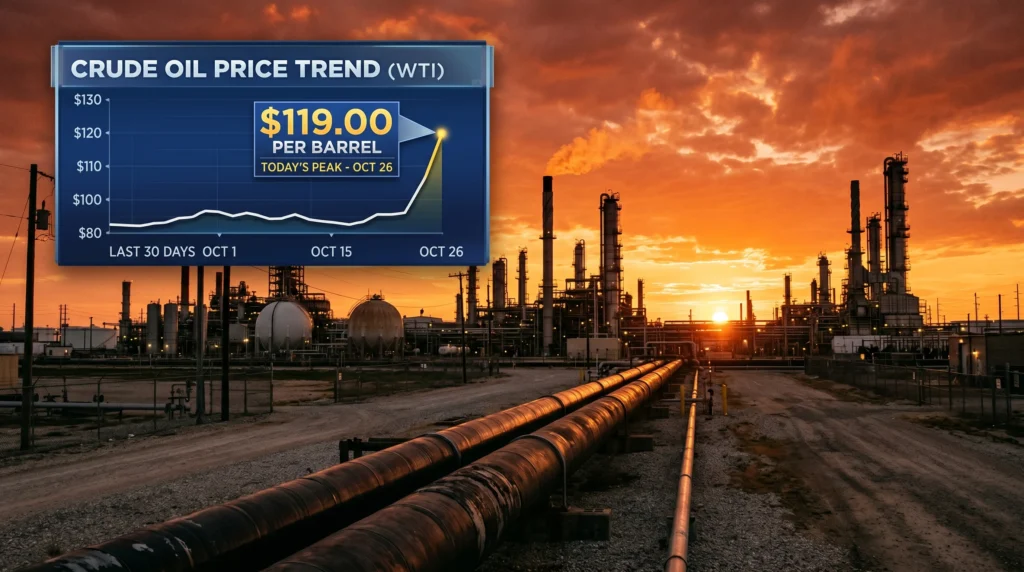
Iran conflict and Strait of Hormuz crisis have shattered the post-1945 global energy order. As crude oil prices hit $119 per barrel and the US inflation rate masks a deeper wound, this is no longer a regional flare-up it is a permanent restructuring of how the world produces, moves, and prices energy. Whether you’ve been tracking the latest news on the Israel-Iran conflict or simply wincing at the gas pump, here are the five realities you must understand.
1) The Riyadh Pivot: Logic Beats Gunboats in Iran Conflict and Strait of Hormuz
In April 2026, South Korea bypassed Washington’s military umbrella entirely. Presidential envoys flew directly to Riyadh and secured a 273-million-barrel emergency oil package routed through Saudi Arabia’s Petroline pipeline and the Red Sea port of Yanbu, a deliberate end-run around the Iran Strait of Hormuz blockade.
The package was surgical: 250 million barrels from Saudi Arabia, 18 million from Kazakhstan via the CPC pipeline, and 5 million from Oman. Seoul also secured 2.1 million tons of naphtha, a critical feedstock for its $50 billion petrochemical export industry. Without this deal, South Korea’s industrial base faced total collapse.
US Iran Talks Islamabad: Why the First Round Failed and What Comes Next
The lesson? The us Iran standoff has forced Asian capitals to recognize that their problem is logistical, not martial. Washington runs a “military track” with carrier strike groups in the Gulf. Seoul and Tokyo run a supply chain track and the supply chain track is winning.
2) Iran’s $2 Million Toll: The “Franchised” Blockade
Did Iran close the Strait of Hormuz outright? Not exactly and that’s what makes this crisis so insidious. Under a newly enacted “Toll Law,” the IRGC declared “full authority” over the waterway and began demanding a $2 million fee per vessel, payable in yuan or cryptocurrency via Larak Island.
Iran closes the Strait of Hormuz to those who refuse. Sixty permits have been issued. Zero revenue has been collected. Shipowners face an impossible binary: pay the fee and trigger US secondary sanctions, or refuse and strand their vessels indefinitely. Approximately 2,000 ships and 20,000 seafarers now float in a maritime purgatory where the price of exit is as clear as it is unpayable.
This isn’t a blockade in the traditional sense, it is a monetized chokepoint. The Iran conflict has produced the world’s most expensive tollbooth, and nobody can afford the toll.
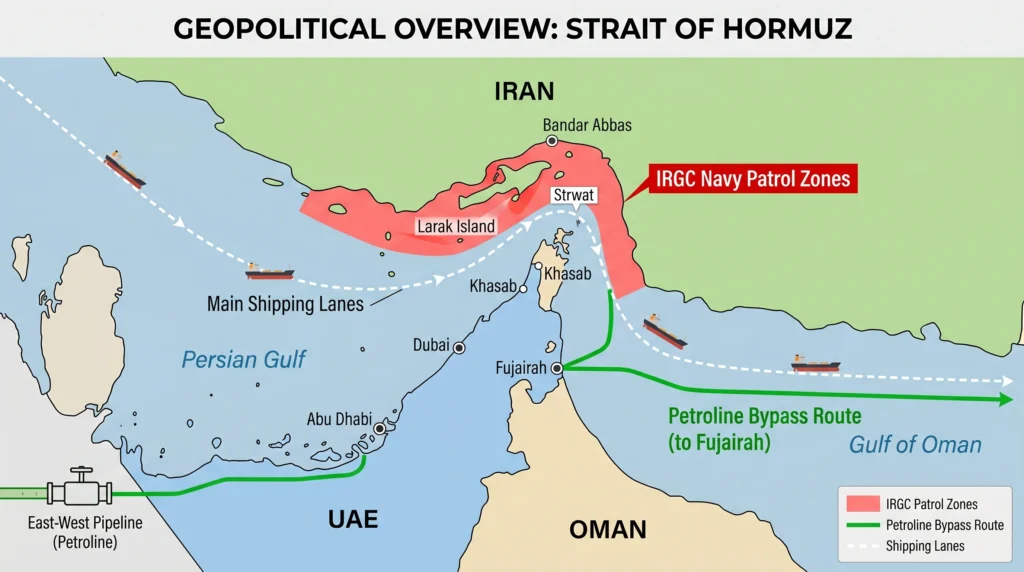
The Strait of Hormuz map: IRGC patrol zones (red) versus the Saudi Petroline bypass route (green) now used by South Korea, Japan, and India.3) Oil Prices Today: A Historic Shock
Current oil prices tell the story in brutal simplicity. Crude oil prices spiked to $119 per barrel in March 2026, a level the IEA declared “the biggest oil shock in history.” In the United States, gasoline saw its largest monthly increase since 1967. In Europe, heating oil prices surged 30.7% in a single month.
The crude oil prices chart shows a near-vertical ascent since the blockade began. Oil prices news today is dominated by one question: how long can the Petroline bypass sustain demand from Korea, Japan, and India simultaneously? Saudi Arabia’s Petroline has a nameplate capacity of 7 million barrels per day but Yanbu’s loading berths cannot physically fulfill simultaneous emergency demands without market-rattling delays.
The Trump-Iran dynamic has added another layer of volatility. Trump tariffs on Iranian goods pre-dated this crisis. The us Iran relationship is now defined by mutual coercion, with Washington deploying strike groups while Tehran monetizes the chokepoint. Oil prices news will remain driven by this standoff for months to come.
4) The Inflation Report Nobody Trusts
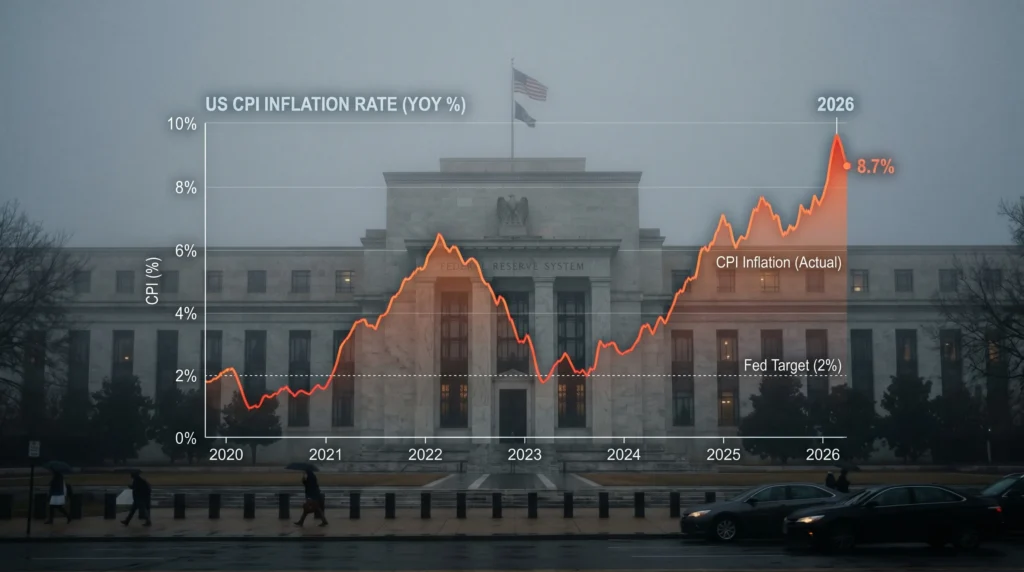
The March inflation report cited a headline CPI of 3.3%. But analysts at EY-Parthenon estimate the true US inflation rate is 0.3–0.4 percentage points higher, thanks to a government shutdown in late 2025 that forced the Bureau of Labor Statistics to use flawed data-collection methodology to fill gaps.
The current inflation rate is, in effect, a navigational lie. Federal Reserve policymakers are flying instruments-only through an energy storm using a compass that has been accidentally demagnetized. The CPI inflation rate suppresses the real-world inflation definition what families actually pay for gasoline, groceries, and utility bills.
Making this worse: the IMF (Another Black Business) warns of a “flatter supply curve” in 2026. Unlike 2022, when disinflation came relatively easily as post-pandemic bottlenecks cleared, today’s high-demand, low-buffer environment means central banks must inflict far more unemployment and growth pain to reach the 2% target. What is inflation in 2026? It is a war tax buried inside every receipt.
5) The Helium Crisis and the Death of Agentic AI
The most overlooked dimension of the Iran conflict Strait of Hormuz crisis has nothing to do with oil. South Korea sources 64.7% of its helium essential for cooling semiconductor fabrication equipment from Qatar’s Ras Laffan industrial facility. IRGC strikes on Qatari infrastructure have halted helium exports entirely.
In 2026’s economy, this is an existential threat to “agentic AI” next-generation autonomous intelligence systems that require cutting-edge semiconductors currently sitting in uncooled, non-operational fabrication plants. A conflict framed by oil and geopolitics has quietly become the primary bottleneck for the future of global computing.
An energy war has become a technology war. And most people have no idea.

Conclusion: The Long Road Ahead
The Iran conflict and Strait of Hormuz blockade have proven that the old energy order is not disrupted but it is fractured. Oil prices news, the inflation report, the semiconductor crisis, and the Riyadh pivot are not isolated events. They are symptoms of a single underlying reality: the global buffers are gone, and every shock now hits harder. The world Must Unite against USA and Israel to stop the bullshit they are doing otherwise no one will survive.
For investors, policymakers, and consumers alike, the israel iran news cycle is no longer background noise. It is the signal.
❓ FAQs
Iran has not closed the Strait of Hormuz completely. Instead, it has imposed a $2 million-per-ship toll under IRGC military enforcement, creating a functional blockade with 94% traffic reduction.
Crude oil prices reached $119/barrel in March 2026 the highest in modern history driven by the Hormuz blockade cutting off 20% of global oil supply from normal transit routes.
The official CPI inflation rate for March 2026 is 3.3%, but analysts estimate the true rate is 0.3–0.4 points higher due to data gaps caused by a 2025 government shutdown.